
.jpeg)
Is imatinib a hormonal drug?
Imatinib (Imatinib) is not a hormone drug in the traditional sense, but an advanced targeted therapy drug that belongs to the tyrosine kinase inhibitor (TKI) category. Its unique mechanism of action is completely different from hormone drugs. It does not rely on the regulation of hormone levels or receptors in the body, but directly targets specific tyrosine kinases, effectively blocking the growth and proliferation pathways of tumor cells.
Hormone drugs, usually as a means of regulating hormone balance in the body or acting on specific hormone receptors, are widely used to treat hormone-related cancers, such as breast and prostate cancer. They control tumor development by inhibiting or regulating hormones such as estrogen and testosterone. In contrast, imatinib's treatment strategy is more precise. It targets specific molecular targets and does not interfere with the systemic endocrine system.
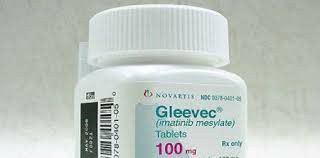
The targeting effect of imatinib mainly focuses on theBCR-ABL fusion protein (the key abnormal protein in chronic myeloid leukemia) and other overactive tyrosine kinases, such as KITkinase in gastrointestinal stromal tumors. By tightly binding to these kinases, imatinib can block their activity, thereby inhibiting the proliferation of cancer cells and improving patient survival rates. Due to its high selectivity, imatinib has relatively low side effects and does not cause the widespread systemic reactions that are common with hormonal drugs.
In summary, imatinib, as a non-hormonal targeted therapy, provides an efficient and safe treatment option for cancer patients such as chronic myelogenous leukemia and gastrointestinal stromal tumors. Compared with hormonal drugs, imatinib's precise treatment strategy can significantly improve patients' quality of life and prolong survival.
[ 免责声明 ] 本页面内容来自公开渠道(如FDA官网、Drugs官网、原研药厂官网等),仅供持有医疗专业资质的人员用于医学药学研究参考,不构成任何治疗建议或药品推荐。所涉药品可能未在中国大陆获批上市,不适用于中国境内销售和使用。如需治疗,请咨询正规医疗机构。本站不提供药品销售或代购服务。


