
.jpeg)
Is erlotinib effective in treating wild-type gene lung adenocarcinoma?
Erlotinib is an epidermal growth factor receptor (EGFR) tyrosine kinase inhibitor, mainly used to treat non-small cell lung cancer (NSCLC) with EGFR gene mutations, including lung adenocarcinoma.
Erlotinib inhibits the tyrosine kinase activity of EGFR and blocks the growth signals of tumor cells, thereby inhibiting tumor growth. It was initially approved for use in patients with EGFR mutation-positive NSCLC, who typically respond well to erlotinib. However, for patients with wild-type EGFR gene NSCLC, including lung adenocarcinoma, the efficacy of erlotinib is relatively complex.
A global multicenter observational study suggests that erlotinib may be effective in patients with KRAS advanced lung adenocarcinoma who are negative for gene mutations. The study selected KRAS wild-type patients with lung adenocarcinoma who had failed first- or second-line chemotherapy and were treated with erlotinib. The results showed that the median progression-free survival (PFS) was 3.3 months, and the overall survival (OS) was 14.4 months. The disease control rate was 70.2%, including a partial response rate of 20.2%. This study suggests that erlotinib may be a treatment option for patients with KRAS wild-type lung adenocarcinoma.
Although erlotinib is mainly targeted at EGFR mutation-positive patients, there are also studies exploring its efficacy in EGFR wild-type lung adenocarcinoma. A case report pointed out that erlotinib has definite efficacy and few adverse reactions in patients with EGFR wild-type advanced lung adenocarcinoma. It can prolong the patient's survival and is well tolerated. However, there are relatively few such studies, and most of them are case studies or small sample studies, and their efficacy and safety still need further verification.
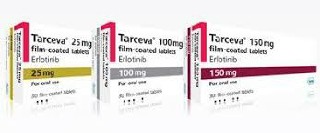
The efficacy of erlotinib in patients with EGFR mutation-positive lung adenocarcinoma has been widely recognized, but there are significant differences in its efficacy in patients with wild-type genes. This may be related to factors such as tumor biological characteristics, drug metabolism differences, and individual differences in different patients.
Studies have found that the efficacy of erlotinib in patients with wild-type gene lung adenocarcinoma is affected by multiple factors, including the patient's age, gender, tumor stage, previous treatment history, and physical condition. In general, patients with better physical condition and fewer prior treatments may be more likely to benefit from erlotinib treatment.
In clinical practice, doctors will comprehensively consider whether to use erlotinib to treat wild-type gene lung adenocarcinoma based on the patient's specific situation and genetic test results. For KRAS wild-type patients, erlotinib may be a viable treatment option; while for EGFR wild-type patients, its efficacy and safety need to be evaluated more carefully.
Before using erlotinib, it is very important to conduct mutation testing of genes such as EGFR and KRAS . This helps doctors more accurately determine whether a patient is suitable for erlotinib treatment and predict its possible efficacy.
Erlotinib may cause adverse reactions such as rash, diarrhea, and liver function damage. During the treatment process, doctors need to closely monitor the patient's body response and adjust the treatment plan and dose in a timely manner as needed.
Erlotinib may not be the only treatment option for patients with wild-type lung adenocarcinoma. Doctors will formulate a comprehensive treatment plan including surgery, radiotherapy, chemotherapy and immunotherapy based on the patient's specific situation to improve the treatment effect and the patient's survival rate.
[ 免责声明 ] 本页面内容来自公开渠道(如FDA官网、Drugs官网、原研药厂官网等),仅供持有医疗专业资质的人员用于医学药学研究参考,不构成任何治疗建议或药品推荐。所涉药品可能未在中国大陆获批上市,不适用于中国境内销售和使用。如需治疗,请咨询正规医疗机构。本站不提供药品销售或代购服务。


