
.jpeg)
Study on the adverse reactions of erlotinib in patients with lung adenocarcinoma
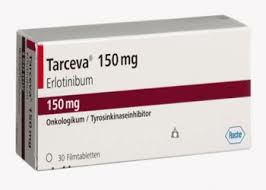
Erlotinib, as an epidermal growth factor receptor (EGFR) tyrosine kinase inhibitor, is mainly used to treat EGFR mutated non-small cell lung cancer, including lung adenocarcinoma. However, erlotinib may cause a series of adverse reactions during the treatment of patients with lung adenocarcinoma.
Rash is one of the most common side effects of erlotinib and usually manifests as mild to moderate papulose rashes, primarily on the scalp, face, neck, and upper torso. There may be a certain correlation between the occurrence of rash and the efficacy of the drug. The better the efficacy, the higher the incidence of rash. For the treatment of rashes, patients are generally advised to keep their skin clean, avoid scratching, and use some topical medications to relieve symptoms.
Erlotinib may cause diarrhea, which may be related to direct stimulation of the gastrointestinal mucosa by the drug. For mild diarrhea, patients can alleviate symptoms through dietary adjustments, such as avoiding taking medications with food, choosing light, high-protein foods, and eating small amounts frequently. For moderate or severe diarrhea, your doctor may prescribe antidiarrheal medication.
Nausea, vomiting, and loss of appetite are also common gastrointestinal reactions of erlotinib, which may be related to the drug's stimulation of the central nervous system. For these symptoms, patients can alleviate the symptoms through diet adjustment and the use of antiemetic drugs.
Erlotinib may cause an increase in liver enzymes (such as alanine aminotransferase, aspartate aminotransferase, etc.), which may be related to the toxic effects of the drug on the liver. Therefore, during the treatment process, doctors need to regularly monitor the patient's liver function indicators and adjust the treatment plan as needed.
Erlotinib can occasionally cause interstitial lung disease, a serious lung disease that may present with symptoms such as difficulty breathing, cough, and fever. Once a patient is found to have these symptoms, the drug should be discontinued immediately and a diagnostic evaluation should be performed. If interstitial lung disease is diagnosed, appropriate treatment should be given immediately.
[ 免责声明 ] 本页面内容来自公开渠道(如FDA官网、Drugs官网、原研药厂官网等),仅供持有医疗专业资质的人员用于医学药学研究参考,不构成任何治疗建议或药品推荐。所涉药品可能未在中国大陆获批上市,不适用于中国境内销售和使用。如需治疗,请咨询正规医疗机构。本站不提供药品销售或代购服务。


