
.jpeg)
What are the adverse effects of erlotinib in the treatment of lung adenocarcinoma?
Erlotinib, as an epidermal growth factor receptor (EGFR) tyrosine kinase inhibitor, is mainly used to treat non-small cell lung cancer with EGFR gene mutations, including lung adenocarcinoma. However, erlotinib may cause a series of adverse reactions during treatment.
Skin rash is the most common and serious skin reaction during erlotinib treatment. It usually manifests as mild to moderate papulose rashes on the scalp, face, neck and upper trunk, often occurring in the first and second weeks of treatment and reaching a peak after the 2-3 weeks of treatment. Patients need to keep their skin clean, avoid scratching, wash the skin with warm water, and avoid using harsh cleansers.
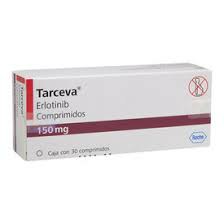
Erlotinib may cause diarrhea, which may be due to direct irritation of the gastrointestinal mucosa during metabolism of the drug. For moderate or severe diarrhea, antidiarrheal drugs such as loperamide should be given. Some patients may need to reduce the dose or discontinue the drug.
The mechanisms of loss of appetite, nausea and vomiting are similar to those of diarrhea, and are usually caused by drug stimulation. Symptoms can be alleviated through dietary adjustments. For example, avoid taking medications with food. It is advisable to take medications 1 hours before or 2 hours after eating. It is also recommended to eat high-protein, light foods and eat small amounts frequently.
A small number of patients may develop liver function abnormalities after taking erlotinib, manifested by increases in alanine aminotransferase, aspartate aminotransferase, direct bilirubin, and indirect bilirubin indicators. Therefore, liver function needs to be monitored regularly.
Erlotinib can occasionally cause interstitial lung disease, manifesting as acute or subacute dyspnea, which can be life-threatening in severe cases. Once a patient is found to have new acute attacks or progressive pulmonary symptoms such as dyspnea, cough, and fever, the drug should be discontinued immediately and diagnostic evaluation should be performed.
Eye diseases such as corneal perforation or corneal ulcer are rare, but if symptoms such as eye pain occur, erlotinib should be interrupted or discontinued.
Adverse effects may also include infections, kidney problems, fatigue, vision changes, depression, bleeding tendencies, and more.
[ 免责声明 ] 本页面内容来自公开渠道(如FDA官网、Drugs官网、原研药厂官网等),仅供持有医疗专业资质的人员用于医学药学研究参考,不构成任何治疗建议或药品推荐。所涉药品可能未在中国大陆获批上市,不适用于中国境内销售和使用。如需治疗,请咨询正规医疗机构。本站不提供药品销售或代购服务。


