
.jpeg)
Is there still a risk of hair loss after discontinuing ritexitinib?
Ritlecitinib, a highly effective JAK3 inhibitor, plays an important role in the treatment of autoimmune diseases such as alopecia areata. However, patients are increasingly concerned about whether hair loss will continue after stopping the drug. In fact, the answer to this question is not set in stone, but depends on the patient's individual response, the severity of the disease, and the state of recovery of the immune system.
During the treatment process, ritexitinib can significantly promote hair regeneration and improve hair density in hair loss areas. This effect usually gradually appears after several months of continued treatment. However, patients do face a risk of recurrence of hair loss once the medication is discontinued. This is because ritexitinib protects hair follicles by suppressing abnormal immune responses. Once treatment is stopped, the immune system may re-attack the hair follicles, causing hair to fall out again.
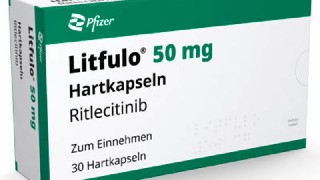
According to research, about30%to50% of patients will experience varying degrees of hair loss within a few months after stopping the drug. This phenomenon is particularly evident in patients with moderate to severe alopecia areata. Although some patients can maintain some hair regrowth after discontinuing treatment, most may require additional treatments to control recurrence of hair loss. Therefore, doctors often recommend gradually reducing the dose of the drug to reduce the risk of recurrence, rather than stopping the drug suddenly.
It is worth noting that individual differences are also important factors affecting hair loss after discontinuation of medication. The patient's age, gender, medical history, and other health conditions can all affect the effectiveness of treatment and the likelihood of recurrence of hair loss. For example, younger patients have a relatively higher risk of recurrence of hair loss because their immune systems are more active; while older patients may have a more stable condition because their immune system function is relatively stable.
Therefore, when deciding to discontinue medication, patients should fully communicate with their doctors, understand their own situation, and jointly develop a reasonable discontinuation plan. Once the patient shows signs of hair loss after stopping the drug, he or she should seek timely guidance from a doctor. It may be necessary to consider restarting treatment or adjusting the treatment plan to prevent further deterioration of hair loss. In some cases, your doctor may also recommend additional complementary treatments, such as topical medications or laser treatments, to promote hair regrowth and improve hair loss.
To sum up, whether hair loss will continue after ritexitinib is discontinued depends on a variety of factors. Patients should conduct scientific discontinuation and follow-up management under the guidance of professional doctors to minimize the risk of hair loss.
[ 免责声明 ] 本页面内容来自公开渠道(如FDA官网、Drugs官网、原研药厂官网等),仅供持有医疗专业资质的人员用于医学药学研究参考,不构成任何治疗建议或药品推荐。所涉药品可能未在中国大陆获批上市,不适用于中国境内销售和使用。如需治疗,请咨询正规医疗机构。本站不提供药品销售或代购服务。


