
.jpeg)
Is ritexitinib effective for vitiligo?
Ritlecitinib, as an innovative oral JAK3 inhibitor, is gradually emerging in the field of autoimmune disease treatment. In addition to skin diseases such as alopecia areata that have been widely studied, its potential application in the treatment of vitiligo has also attracted great attention from the medical community. Vitiligo, a skin pigment loss disease caused by an abnormal immune system attack on melanocytes, may benefit from treatment with ritexitinib.
Ritexitinib effectively regulates the immune response by precisely inhibiting the JAK-STAT signaling pathway. This mechanism brings hope to patients with vitiligo. Theoretically, by mitigating the immune system's attack on melanocytes, ritexitinib is expected to promote the restoration of skin pigment and thereby improve vitiligo symptoms.
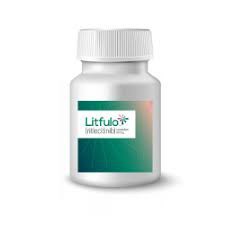
At present, although the research on ritexitinib in the treatment of vitiligo is still in its infancy, some small-scale studies and case reports have initially shown the positive effects of JAK inhibitors in promoting skin pigment regeneration in patients with vitiligo. These preliminary results provide theoretical support for the application of ritexitinib in the treatment of vitiligo.
Ritexitinib’s mechanism of action gives it unique advantages in the treatment of vitiligo. By selectively inhibiting JAK3, the drug can precisely intervene in immune-related cytokines and suppress inflammatory responses, thereby helping to restore normal skin pigmentation and function. Additionally, ritexitinib has a relatively low risk of side effects compared with traditional vitiligo treatments such as steroids and phototherapy, which may make it more acceptable and tolerable to patients.
However, although ritexitinib has shown significant therapeutic effects in other autoimmune diseases, its exact efficacy and safety in the treatment of vitiligo still need to be verified by more rigorous clinical trials. Currently, available data are insufficient to support the use of ritexitinib as a first-line treatment for vitiligo. Therefore, in practical applications, patients should carefully choose treatment options under the guidance of professional doctors.
[ 免责声明 ] 本页面内容来自公开渠道(如FDA官网、Drugs官网、原研药厂官网等),仅供持有医疗专业资质的人员用于医学药学研究参考,不构成任何治疗建议或药品推荐。所涉药品可能未在中国大陆获批上市,不适用于中国境内销售和使用。如需治疗,请咨询正规医疗机构。本站不提供药品销售或代购服务。


