
.jpeg)
Application and effect of olaparib/olaparib in the treatment of triple-negative breast cancer
Olaparib is a drug that specifically targets defects in the DNA damage repair (DDR) mechanism. It has recently received widespread attention in the field of treating triple-negative breast cancer (TNBC). Triple-negative breast cancer (TNBC) is a highly heterogeneous tumor type with a generally poor prognosis. This is mainly due to the lack of clear molecular therapeutic targets for TNBC, making chemotherapy the mainstream treatment. Therefore, it is particularly important to explore new, more personalized treatment options.
Research shows that Downregulation of DDR gene expression is a significant feature of triple-negative breast cancer, especially the abnormal expression of BRCA1 and BRCA2 genes. According to statistics, about 35% of TNBC patients have BRCA1 gene mutations, while 8% of patients carry BRCA2 gene mutations. These mutations disrupt normal DNA repair mechanisms, making tumor cells more sensitive to PARP inhibitors such as olaparib.
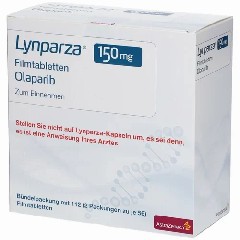
The results of phase III clinical trials such as OlympiAD and EMBRACA have shown that in patients with metastatic HER2-negative breast cancer carrying germline BRCA1/2 pathogenic mutations, PARP inhibitors such as olaparib and talazoparib are significantly more effective than traditional chemotherapy, so these drugs have been approved for the treatment of such patients. Although olaparib has also shown good efficacy in the treatment of ovarian cancer, its therapeutic effect in BRCA wild-type triple-negative breast cancer remains to be further clarified. Current relevant research results are still divergent.
In studies ongBRCA mutant tumors, it was found that the clinical and radiometabolic responses of these tumors were significantly higher than those of gBRCA wild-type tumors. However, it is worth noting that the difference in response rates between the two did not reach significance. These data suggest that olaparib may still have some efficacy in the treatment of gBRCA wild-type triple-negative breast cancer. For example, in the PETREMAC phase neoadjuvant trial, objective treatment responses were observed in 56.3% of patients in an unselected patient population, a finding that further supports this view.
[ 免责声明 ] 本页面内容来自公开渠道(如FDA官网、Drugs官网、原研药厂官网等),仅供持有医疗专业资质的人员用于医学药学研究参考,不构成任何治疗建议或药品推荐。所涉药品可能未在中国大陆获批上市,不适用于中国境内销售和使用。如需治疗,请咨询正规医疗机构。本站不提供药品销售或代购服务。


