
.jpeg)
Lynparib/olaparib: anticancer efficacy and potential risks
Olaparib/Olaparib, known as the "new star" anti-cancer drug, has emerged in the field of treating cancers carrying BRCA gene mutations with its unique mechanism. Especially for patients with ovarian cancer and breast cancer, the emergence of Lynparza undoubtedly brings them new hope.
As aPARP inhibitor, olaparib’s mechanism of action is quite ingenious. It cleverly takes advantage of the reduced DNA repair ability caused by BRCA gene mutations in tumor cells. By interfering with the normal repair process of DNA, it makes cancer cells more vulnerable to DNA damage, thereby triggering the apoptosis mechanism of cancer cells. This precise strike strategy not only improves the pertinence of treatment, but also reduces damage to normal cells to a certain extent.
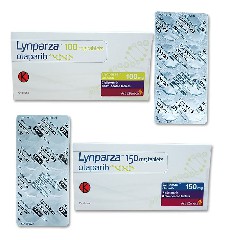
In clinical practice, Lynparza’s performance is impressive. Multiple research data show that patients treated with olaparib have achieved significant results in extending progression-free survival (PFS), and the overall survival rate has also been effectively improved. Compared with traditional chemotherapy regimens, Lynparza can not only control the disease, but also improve the patient's quality of life to a certain extent. This advantage makes Lynparza's position in the field of cancer treatment increasingly prominent, especially in the first-line treatment or maintenance treatment stage, and it has become the preferred option for many patients.
However, like many other anti-cancer drugs, olaparib brings promise but also comes with certain risks. Common side effects include nausea, vomiting, fatigue, and blood system abnormalities, such as anemia and leukopenia. Although most of these adverse reactions are mild to moderate and may gradually lessen as treatment progresses, they will still have a certain impact on the patient's daily life. Of particular concern is that long-term use of Lynparza may cause more serious side effects, such as severe anemia, thrombocytopenia and other hematological toxic reactions, and may even cause serious lung lesions such as rare interstitial lung disease.
[ 免责声明 ] 本页面内容来自公开渠道(如FDA官网、Drugs官网、原研药厂官网等),仅供持有医疗专业资质的人员用于医学药学研究参考,不构成任何治疗建议或药品推荐。所涉药品可能未在中国大陆获批上市,不适用于中国境内销售和使用。如需治疗,请咨询正规医疗机构。本站不提供药品销售或代购服务。


