
.jpeg)
What are the stages of head and neck cancer?
Staging of head and neck cancer is mainly based on factors such as the size of the cancer, whether it has invaded surrounding tissues, and whether it has spread to lymph nodes and other parts. The staging system is usually based on the TNMclassification, developed by the International Union against Cancer (UICC) and the American Joint Committee on Cancer (AJCC). TNMThe system is evaluated through three main indicators:
1.T (Tumor size and extent of extension): Describe the size of the primary tumor and whether it has invaded surrounding tissue.
T0: No evidence of primary tumor.
T1-T4: Graded according to the specific size and degree of invasion of the tumor. T1 is the smallest and T4 is the most severe, indicating that the tumor has spread to nearby important structures or organs.
2.N (Regional Lymph Node Involvement): Describes whether the cancer has spread to the lymph nodes in the neck.
N0: No evidence of lymph node involvement.
N1-N3: Describe the number, location, and size of involved lymph nodes. N1 means the cancer has spread to only a single, smaller lymph node, while N3 means multiple larger lymph nodes are involved or the cancer has spread widely.
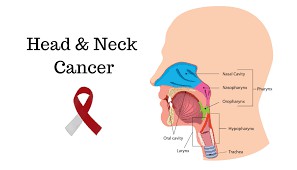
3.M (distant metastasis): Refers to whether the cancer has spread to other parts of the body.
M0: No evidence of distant metastasis.
M1: The cancer has spread to distant organs, such as the lungs, liver, or bones.
Summary of installments
Stage 0 (carcinoma in situ): The cancer has not spread and is limited to the epithelial surface. This stage is usually easy to treat and has a good prognosis.
Stage I (early cancer): The tumor is small, limited to the original site, and has not spread to lymph nodes or other organs. The treatment effect is better.
Stage II (local extension): The tumor is large and may invade adjacent structures, but has not spread to lymph nodes or distant sites.
Stage III (locally advanced): The tumor may have spread to nearby lymph nodes or surrounding tissues, and the condition has become more complex and requires multidisciplinary treatment.
Stage IV (advanced cancer): divided into IVA, IVB and IVC, indicating that the tumor has expanded significantly and may invade surrounding tissues extensively or metastasize to distant sites. Stage IVC usually means the cancer has spread to distant organs.
Different types of head and neck cancer, such as oral cancer, nasopharyngeal cancer, laryngeal cancer, etc., have slightly different staging standards, but generally follow the TNM system. Early-stage cancers can usually achieve good results with local treatments such as surgery and radiotherapy, while advanced cancers may require a comprehensive treatment strategy of surgery, chemotherapy and radiotherapy. Understanding the stages of head and neck cancer helps doctors choose appropriate treatments and provide patients with prognostic assessment and individualized care plans.
(Common head and neck cancer treatment drugs such as: repotinib, toripalimab, pembrolizumab, cetuximab, nivolumab, etc. For specific drug details, please see the website homepage or click for consultation.)
[ 免责声明 ] 本页面内容来自公开渠道(如FDA官网、Drugs官网、原研药厂官网等),仅供持有医疗专业资质的人员用于医学药学研究参考,不构成任何治疗建议或药品推荐。所涉药品可能未在中国大陆获批上市,不适用于中国境内销售和使用。如需治疗,请咨询正规医疗机构。本站不提供药品销售或代购服务。


