
.jpeg)
What are the symptoms of head and neck cancer?
Symptoms of head and neck cancer vary and depend on the specific location, size and extent of the tumor. Symptoms are usually mild in the early stages and can easily be mistaken for other common illnesses, and gradually worsen as the disease progresses. Here are the symptoms of head and neck cancer that may appear in different locations:
1. Oral cancer: Early symptoms of oral cancer may include ulcers or lumps in the mouth that persist, often accompanied by pain, numbness, or white or red patches. If the tumor grows, the patient may develop loose teeth and difficulty chewing or swallowing. Swelling of the gums or buccal mucosa may also interfere with normal oral function.
2. Nasopharyngeal cancer: The symptoms of nasopharyngeal cancer are mostly related to the ears and nose. Early manifestations may include persistent unilateral nasal congestion or blood in the nasal mucus, especially when getting up in the morning. Patients may also experience recurring tinnitus, hearing loss, or ear fullness, especially if the symptoms are unilateral. Other common manifestations include headache and painless swollen lymph nodes in the neck.
3. Laryngeal cancer: Laryngeal cancer is usually the first to affect the voice, because tumors often occur near the vocal cords. Symptoms include hoarseness or changes in the pitch of the voice that persist for weeks. Other symptoms may include throat pain, especially severe pain when swallowing. As the disease progresses, the tumor may cause difficulty breathing or shortness of breath.
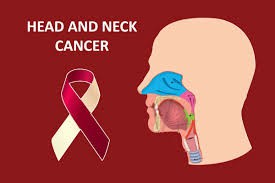
4. Pharyngeal cancer: Pharyngeal cancer includes oropharyngeal cancer, epipharyngeal cancer and hypopharyngeal cancer, with different symptoms. Oropharyngeal cancer often presents with persistent throat pain, difficulty swallowing, and earache. There may be tonsil enlargement or a foreign body sensation. Symptoms of hypopharyngeal cancer are usually earache or a lump in the neck, and significant discomfort in the throat, especially when eating.
5. Nasal cavity and paranasal sinus cancer: Symptoms of this cancer usually involve the nose, manifesting as chronic nasal congestion, persistent nosebleeds, or facial swelling and pain. If the tumor extends into the eye area, it may cause blurred vision or protruding eyes.
6. Salivary gland cancer: Early symptoms of salivary gland cancer often include a painless lump on the face or neck. The enlarged area may be accompanied by numbness or facial pain, especially if the tumor compresses surrounding nerves. Some patients may have reduced salivary gland production or difficulty swallowing.
7. Systemic symptoms: As head and neck cancer progresses, patients may develop systemic symptoms, such as unexplained weight loss, persistent fatigue, and night sweats. These symptoms usually indicate that the condition is serious and require medical attention as soon as possible.
If the above symptoms persist and cannot be explained by other reasons, it is recommended to seek professional medical evaluation as soon as possible to rule out the possibility of head and neck cancer.
(Common head and neck cancer treatment drugs such as: repotinib, toripalimab, pembrolizumab, cetuximab, nivolumab, etc. For specific drug details, please see the website homepage or click for consultation.)
[ 免责声明 ] 本页面内容来自公开渠道(如FDA官网、Drugs官网、原研药厂官网等),仅供持有医疗专业资质的人员用于医学药学研究参考,不构成任何治疗建议或药品推荐。所涉药品可能未在中国大陆获批上市,不适用于中国境内销售和使用。如需治疗,请咨询正规医疗机构。本站不提供药品销售或代购服务。


