
.jpeg)
What are the symptoms of head and neck cancer? Can it be cured?
Symptoms of head and neck cancer vary depending on the specific site, but usually include local and systemic manifestations, especially affecting the pharynx, oral cavity, nasal cavity and adjacent tissues. Here are common symptoms of different types of head and neck cancer:
1.Oral cancer: includes ulcers inside the mouth that persist and are often accompanied by pain; loose teeth; unknown lumps on the tongue or in the mouth; white spots or red spots; pain or bleeding in the mouth; difficulty chewing or swallowing. As the disease progresses, oral mobility becomes restricted.
2.Nasopharyngeal cancer: The most common early symptoms are persistent nasal congestion, especially unilateral nasal congestion; blood in the mucus or repeated nosebleeds; tinnitus or ear fullness; hearing loss; headache; neck mass (usually enlarged lymph nodes); in some cases, patients may develop cranial nerve symptoms, such as blurred vision or facial numbness.
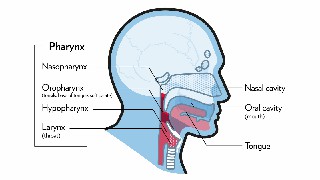
3.Laryngeal cancer: Hoarseness or change in tone is an important sign of laryngeal cancer, especially when this change lasts for more than three weeks; throat pain or discomfort; difficulty swallowing or pain when swallowing; persistent cough, sometimes with bloodshot eyes; difficulty breathing or shortness of breath, suggesting that laryngeal tumors affect the airway.
4.Pharyngeal cancer: including oropharyngeal cancer and hypopharyngeal cancer. Symptoms of oropharyngeal cancer may include persistent sore throat, difficulty swallowing, earache, or feeling of blockage in the ear. The early symptoms of hypopharyngeal cancer are not obvious. As the tumor grows, patients may develop severe pain when swallowing or earache, as well as a lump in the neck.
5.Nasal cavity and paranasal sinus cancer: Symptoms may include long-term nasal congestion, especially unilateral; facial pain or pressure; persistent nosebleeds; facial swelling; protruding eyes or blurred vision; sometimes accompanied by persistent tearing.
6.Salivary gland cancer: This cancer may cause a painless lump in the face or neck, sometimes accompanied by numbness or facial pain. If the tumor compresses the facial nerve, facial movement may be limited or expression may be abnormal.
[ 免责声明 ] 本页面内容来自公开渠道(如FDA官网、Drugs官网、原研药厂官网等),仅供持有医疗专业资质的人员用于医学药学研究参考,不构成任何治疗建议或药品推荐。所涉药品可能未在中国大陆获批上市,不适用于中国境内销售和使用。如需治疗,请咨询正规医疗机构。本站不提供药品销售或代购服务。


