
.jpeg)
Can head and neck cancer be cured?
Cureability of head and neck cancer depends on the type and stage of the cancer, the patient's overall health and treatment options. Overall, head and neck cancers that are detected and treated early have a better prognosis, while cases that are advanced or have spread are more difficult to treat.
1.Early-stage head and neck cancer: I stage or II stage head and neck cancer can usually be cured with surgery or radiotherapy. Surgery removes cancerous tissue, while radiation therapy is used to destroy cancer cells. For some cancers that are localized to the original site, a single treatment may be curative. Five-year survival rates are higher in these cases, depending on the type and location of the cancer.
2.Local advanced head and neck cancer: Stage III and some stage IVA cancers may require multidisciplinary treatment, including a combination of surgery, radiation therapy, and chemotherapy. Chemotherapy and radiation therapy combined (concurrent chemoradiotherapy) are often used to control tumor growth and improve local control rates. The cure rate at this stage is lower than in earlier stages, but cure is still possible, especially if the cancer has not spread widely.
3.Advanced head and neck cancer: IV stage cancer, especially IVB and IVC stage, the cancer may have metastasized to lymph nodes or distant organs, making cure more difficult. In this case, treatment is mainly aimed at prolonging survival and improving quality of life. In addition to traditional chemoradiotherapy, targeted therapy and immunotherapy (such as PD-1 inhibitors) have also shown good efficacy in recent years, especially for some patients with refractory head and neck cancer.
4.Recurrent or metastatic cancer: If head and neck cancer comes back or has spread to other organs, it becomes very difficult to cure. Treatment focuses on reducing symptoms, prolonging survival, and improving the patient's quality of life. Targeted therapy, immunotherapy or new drugs in clinical trials can be used. These treatments have brought hope to some patients in recent years.
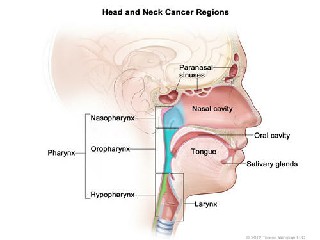
Factors affecting cure rate
1.Cancer staging: The earlier a cancer is detected, the more likely it is to be cured. Advanced cancer often requires more aggressive treatment but has a poorer prognosis.
2.Cancer location: Cancers in certain locations are more difficult to treat and may invade critical structures or organs, such as the vocal cords or nerves.
3.Pathological type: Most head and neck cancers are squamous cell carcinomas, but some rare types may not respond well to standard treatments.
4.Overall health status: The patient's immune system status and body function also affect the effectiveness of treatment. A healthy lifestyle and quitting smoking and drinking have a positive effect on improving the cure rate.
In summary, head and neck cancers are more effective when detected early. Cure rates are lower for advanced or metastatic cancers, but a variety of treatment options are still available. Aggressive treatment and individualized programs can significantly improve prognosis.
(Common head and neck cancer treatment drugs such as: repotinib, toripalimab, pembrolizumab, cetuximab, nivolumab, etc. For specific drug details, please see the website homepage or click for consultation.)
[ 免责声明 ] 本页面内容来自公开渠道(如FDA官网、Drugs官网、原研药厂官网等),仅供持有医疗专业资质的人员用于医学药学研究参考,不构成任何治疗建议或药品推荐。所涉药品可能未在中国大陆获批上市,不适用于中国境内销售和使用。如需治疗,请咨询正规医疗机构。本站不提供药品销售或代购服务。


