
.jpeg)
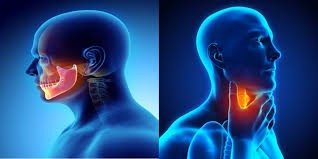
Ten early signs of head and neck cancer
The early signs of head and neck cancer vary depending on where they grow and how they have spread. Here are ten possible early signs of head and neck cancer:
1. Persistent sore throat: Sore throat is a common symptom, especially when there is no obvious infection or other causes. Persistent sore throat requires attention. If the pain gradually worsens or your throat feels unusually uncomfortable when swallowing, it may be related to cancer.
2. Hoarseness or change in voice: Hoarseness is a typical early symptom of laryngeal cancer. If your voice suddenly becomes hoarse or changes in pitch, especially if it persists for more than three weeks without improvement, you should be alert to the possibility of cancer, especially if treatment for common laryngitis has not responded.
3. Persistent nasal obstruction: Nasopharyngeal cancer or nasal cavity cancer may manifest as persistent unilateral nasal obstruction in the early stages. If the symptoms of nasal congestion persist for a long time and are accompanied by blood in the nasal mucus, especially in the early morning, you need to seek medical examination as soon as possible.
4. Blood in the nasal discharge or nosebleeds: If the nasal secretions continue to contain blood streaks, or unexplained nosebleeds occur frequently, it may be related to nasopharyngeal cancer or nasal cavity cancer. Persistent nosebleeds are particularly cause for concern.
5. Tinnitus or hearing loss: Tinnitus or unilateral hearing loss may be associated with nasopharyngeal cancer, especially when the tumor compresses the structures of the ear. When ear symptoms such as hearing loss, ear blockage or tinnitus persist for a long time and do not relieve, the possibility of head and neck tumors needs to be considered.
6. Oral ulcers that do not heal: Oral cancer in its early stages may appear as ulcers in the mouth or tongue that do not heal for a long time. Ulcers are often painful, bleeding, or thickened. If persistent abnormal lesions are found in the oral cavity, seek medical attention as soon as possible.
7. White spots or erythema: White or red spots appearing in the mouth, especially white spots that cannot be brushed away or long-standing erythema, may be precancerous lesions and require alertness and professional examination.
8. Difficulty or pain in swallowing: Pain or a foreign body sensation when swallowing food or drinking water may indicate cancer in the throat. If symptoms persist for a longer period of time and become progressively worse, further tests may be needed.
9. Oral numbness or facial numbness: When head and neck cancer compresses or affects nerves, it may cause numbness or abnormal sensation in the mouth, jaw, or face. If these symptoms develop gradually and persist, it may be a sign that the tumor is affecting neurological function.
10. Neck mass: Painless neck mass or enlarged lymph nodes are often one of the important early manifestations of head and neck cancer, especially when the lymph nodes continue to be enlarged, hard in texture, and difficult to move. This symptom requires special attention and imaging examination as soon as possible.
Other related symptoms
Unexplained weight loss: Unexplained weight loss may indicate an underlying medical condition, including cancer.
Persistent fatigue: Persistent feelings of tiredness or low energy, sometimes associated with cancer, especially when symptoms significantly interfere with daily activities.
The importance of early detection
Early detection of head and neck cancer is critical to improving cure rates. Many symptoms may be ignored or mistaken for ordinary infections in the early stages. However, if the symptoms persist for several weeks without relief, it is recommended to seek medical attention as soon as possible for examination and screening for timely diagnosis and treatment.
Regular oral examinations, nasopharyngoscopy, and imaging evaluations can help identify signs of cancer early. If you or your family members have high-risk factors such as smoking and drinking, or have the above symptoms for a long time, please pay special attention and discuss the next health plan with your doctor.
(Common head and neck cancer treatment drugs such as: repotinib, toripalimab, pembrolizumab, cetuximab, nivolumab, etc. For specific drug details, please see the website homepage or click for consultation.)
[ 免责声明 ] 本页面内容来自公开渠道(如FDA官网、Drugs官网、原研药厂官网等),仅供持有医疗专业资质的人员用于医学药学研究参考,不构成任何治疗建议或药品推荐。所涉药品可能未在中国大陆获批上市,不适用于中国境内销售和使用。如需治疗,请咨询正规医疗机构。本站不提供药品销售或代购服务。


