
.jpeg)
How should head and neck cancer be treated? How effective is it?
Treatments for head and neck cancer vary depending on the type and stage of the cancer, the patient's overall health, and other factors. Common treatment methods include surgery, radiotherapy, chemotherapy, targeted therapy, immunotherapy, etc. These treatments can be used alone or in combination to increase the effectiveness of the treatment.
1. Surgical treatment
Surgery is the most common treatment for head and neck cancer, especially for tumors detected early. The goal of surgery is to remove the tumor and surrounding healthy tissue to ensure that the cancer cells are removed as completely as possible. The type of surgery varies depending on the location and size of the cancer. Common surgical procedures include:
Tumorectomy: Removal of the tumor and surrounding affected tissue, such as the throat, tongue, or other related areas.
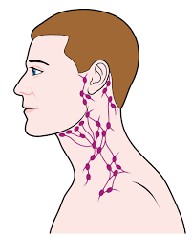
Neck lymph node dissection: If the cancer has spread to the lymph nodes, the lymph nodes in the neck may need to be removed to reduce the risk of the cancer coming back.
The effectiveness of surgical treatment depends on the stage of the cancer and whether it has metastasized. Early-stage head and neck cancer can usually be cured well with surgery, but if the tumor is large or has spread, adjuvant treatment may be needed after surgery.
2. Radiation therapy
Radiation therapy uses high-energy rays to kill cancer cells or inhibit their growth. For patients who cannot undergo surgical treatment, radiotherapy can be used as the main treatment method, especially for laryngeal cancer, nasopharyngeal cancer, and oral cancer. The main methods of radiotherapy are:
External radiation therapy: Radiation beams are delivered to the outside of the tumor area.
Internal radiation therapy (brachytherapy): A radiation source is placed directly near the tumor area.
Radiation therapy is often used for local treatment of early-stage cancer and is also often used as adjuvant treatment after surgery to reduce the risk of tumor recurrence. In some advanced cancers, radiation therapy can relieve symptoms and improve patients' quality of life.
3. Chemotherapy
Chemotherapy uses drugs to inhibit the growth of cancer cells or to kill them. Chemotherapy is often used in combination with radiation therapy, especially in locally advanced or metastatic head and neck cancer. Commonly used chemotherapy drugs include platinum drugs (such as cisplatin and carboplatin) and some targeted drugs. Chemotherapy is more effective, especially when treating cancer that has spread, and can effectively delay the progression of the disease. However, chemotherapy may cause some side effects, such as nausea, vomiting, hair loss, immunosuppression, etc., and the treatment plan needs to be adjusted according to the patient's specific situation.
4. Targeted therapy
Targeted therapy is a precise cancer treatment method that targets specific molecules or genetic mutations in cancer cells to minimize damage to normal cells. Targeted drugs can inhibit cancer cell growth, inhibit angiogenesis, or enhance immune responses. For patients with head and neck cancer, especially those who respond poorly to conventional treatments, targeted therapies may provide an effective option. Targeted drugs such as cetuximab (Cetuximab) have been used to treat head and neck cancer and have achieved significant therapeutic effects.
5. Immunotherapy
Immunotherapy is a breakthrough field in cancer treatment in recent years. It recognizes and attacks cancer cells by activating or enhancing the patient's own immune system. For some types of head and neck cancer, immune checkpoint inhibitors such as Nivolumab and Pembrolizumab have been approved for treatment, especially for advanced or recurrent head and neck cancer. Immunotherapy works well for some patients, but not all patients respond well to immunotherapy.
6. Combination therapy
Due to the complexity of treatment of head and neck cancer, a combination of multiple treatments is often used. Treatment plans may include a combination of surgery, radiation therapy, chemotherapy and targeted therapies to enhance the effectiveness of treatment and reduce the risk of cancer recurrence.
7. Supportive treatment
During the treatment of head and neck cancer, patients may face some unavoidable side effects, such as difficulty swallowing, oral ulcers, malnutrition, etc. Therefore, supportive care is important, aiming to relieve symptoms and improve quality of life. Common supportive treatments include:
Nutritional support: Provide appropriate nutritional supplements to help patients maintain physical strength and immunity.
Pain management: Relieving pain during cancer treatment with medications or other methods.
Psychological support: Provide psychological counseling to patients to help cope with anxiety and depression during cancer diagnosis and treatment.
The effectiveness of head and neck cancer treatment depends on multiple factors, especially early detection and treatment of the cancer. Early-stage cancer is usually curable with surgery, radiation or chemotherapy, and has a higher five-year survival rate. Treatment of locally advanced or advanced head and neck cancer is relatively poor, but a combination of modern chemotherapy, radiotherapy, targeted therapy, and immunotherapy has extended survival for these patients. For metastatic or recurrent head and neck cancer, the goals of treatment are primarily to prolong survival and improve quality of life, while complete cure is less likely.
[ 免责声明 ] 本页面内容来自公开渠道(如FDA官网、Drugs官网、原研药厂官网等),仅供持有医疗专业资质的人员用于医学药学研究参考,不构成任何治疗建议或药品推荐。所涉药品可能未在中国大陆获批上市,不适用于中国境内销售和使用。如需治疗,请咨询正规医疗机构。本站不提供药品销售或代购服务。


