
.jpeg)
What are the first signs of lung cancer?
Lung cancer, a disease that seriously threatens human health, often has no obvious symptoms in its early stages, resulting in many patients being diagnosed only when the disease has progressed to an advanced stage. However, knowing some of the first signs of lung cancer is crucial for early detection and early treatment. While a cough or pneumonia that continues to come back after treatment can sometimes be an early sign of lung cancer, these symptoms can also be caused by other, less serious illnesses. Therefore, we need a more comprehensive understanding of the common early symptoms of lung cancer.
The most common early signs of lung cancer include a persistent or worsening cough, shortness of breath, chest pain, hoarseness, and unexplained weight loss. These symptoms may occur alone or in combination, and their severity and timing vary from individual to individual. A persistent or worsening cough is often the most noticeable early symptom of lung cancer, especially if the cough becomes frequent, severe, and difficult to relieve with regular cough medications. Shortness of breath, especially when performing daily activities, may also be an early sign of lung cancer. Chest pain, whether dull or stabbing, may be a sign of lung disease. If hoarseness persists and throat disease is ruled out, you should also be alert. In addition, unexplained weight loss, especially significant weight loss in a short period of time, may also be an early sign of lung cancer.
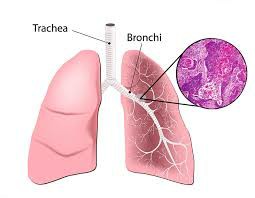
It is important to note that the presence of these symptoms does not necessarily mean lung cancer, as they may also be associated with other respiratory or systemic diseases. However, in people with a history of smoking, family history of lung cancer, or other high-risk factors, the presence of these symptoms should be considered important warning signs. Therefore, regular lung cancer screening is particularly important. Through professional screening methods, such as low-dose CT scans, lesions can be detected in the early stages of cancer, thus greatly improving the success rate of treatment and survival rate.
In summary, understanding the first signs of lung cancer is critical for early detection and treatment. If you have any of the above symptoms, especially if they persist or gradually worsen, you should seek medical attention and undergo relevant examinations in time. At the same time, for high-risk groups, regular lung cancer screening is an effective means to prevent lung cancer and improve survival rates.
(Common lung cancer treatment drugs include: platinib, tepotinib, sotoracib, adagrasiib, entrectinib, lorlatinib, trametinib, dabrafenib, afatinib, osimertinib, crizotinib, etc. For specific drug details, please see the homepage of the website or click for consultation.)
Reference materials:https://my.clevelandclinic.org/health/diseases/4375-lung-cancer
[ 免责声明 ] 本页面内容来自公开渠道(如FDA官网、Drugs官网、原研药厂官网等),仅供持有医疗专业资质的人员用于医学药学研究参考,不构成任何治疗建议或药品推荐。所涉药品可能未在中国大陆获批上市,不适用于中国境内销售和使用。如需治疗,请咨询正规医疗机构。本站不提供药品销售或代购服务。


