
.jpeg)
What are the stages of lung cancer?
The staging of lung cancer is an important reference for assessing the progression of cancer, formulating treatment plans and predicting prognosis. Cancer is usually staged based on the size of the initial tumor, how far it has spread into surrounding tissue, and whether it has spread to lymph nodes or other organs. Every cancer has its own specific staging guidelines, and lung cancer is no exception. The staging of lung cancer not only reflects the size and spread of the tumor, but also guides doctors in choosing the most appropriate treatment. The following are the general stages of lung cancer:
Stage0 (carcinoma in situ): This is the early stage of lung cancer, also known as carcinoma in situ. At this stage, the tumor is limited to the mucosal layer of the lungs or bronchi, has not yet broken through the basement membrane, and has not spread to other parts of the lungs or outside the lungs. Because carcinoma in situ has not yet metastasized, treatment results are usually better.
StageI: At this stage, the lung cancer is still limited to the lungs and has not spread outside the lungs. Tumor size and location can vary, but generally, tumors are small and do not cause extensive invasion of surrounding tissue. Patients with stage I lung cancer usually have no obvious clinical symptoms and have better treatment effects.
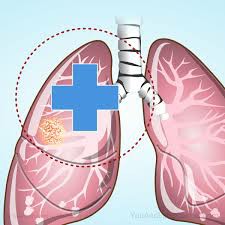
StageII: After entering stage II, the lung cancer tumor may be larger in size, or may have spread to the lymph nodes in the lung, or multiple tumors may appear in the same lung lobe. Although the cancer has progressed, it has not spread outside the lungs. Patients with stage II lung cancer may experience symptoms such as cough and sputum, and treatment is more difficult than that of stage I lung cancer.
StageStage III: Stage III lung cancer is a locally advanced stage, also known as locally advanced stage. At this stage, the tumor may be larger, have spread to nearby lymph nodes or other structures, or may have multiple tumors in different lobes of the same lung. Although the cancer has not spread to distant organs, the local condition has become more severe. Patients with stage III lung cancer may experience obvious symptoms such as chest pain and difficulty breathing, making treatment difficult.
StageStage IV lung cancer is an advanced stage when the cancer has spread to another lung, the fluid around the lung, the fluid around the heart, or distant organs such as the brain, liver, bones, etc. Patients at this stage are in more severe condition and the treatment effect is relatively poor. The main goals of treatment are to control disease progression, relieve symptoms, improve quality of life, and prolong survival.
It should be noted that the staging of lung cancer is not static. The stage of lung cancer may also change as the disease progresses and treatments are administered. Therefore, during the treatment process, doctors will conduct detailed examinations and assessments based on the patient's specific conditions to determine the accurate lung cancer staging and adjust the treatment plan accordingly.
In summary, lung cancer staging is an important tool for assessing cancer progression, formulating treatment plans, and predicting prognosis. Knowing the stage of lung cancer can help patients better understand their condition and treatment options, allowing them to make more informed decisions.
(Common lung cancer treatment drugs include: platinib, tepotinib, sotoracib, adagrasiib, lorlatinib, trametinib, dabrafenib, afatinib, osimertinib, crizotinib, etc. For specific drug details, please see the website homepage or click for consultation.)
Reference materials:https://my.clevelandclinic.org/health/diseases/4375-lung-cancer
[ 免责声明 ] 本页面内容来自公开渠道(如FDA官网、Drugs官网、原研药厂官网等),仅供持有医疗专业资质的人员用于医学药学研究参考,不构成任何治疗建议或药品推荐。所涉药品可能未在中国大陆获批上市,不适用于中国境内销售和使用。如需治疗,请咨询正规医疗机构。本站不提供药品销售或代购服务。


