
.jpeg)
Late stage symptoms of lung cancer
Late-stage lung cancer is a serious stage in the development of malignant tumors. Its symptoms are complex and diverse, which not only affects the patient's physical health, but also has a serious impact on their psychological and social life. Late stage lung cancer usually refers to Stage III and Stage IV lung cancer. At this time, the tumor may have spread to other parts of the lungs or distant organs. Understanding the symptoms of late-stage lung cancer is crucial for timely diagnosis and treatment.
One of the most common symptoms of late-stage lung cancer is cough. This kind of cough is mostly an irritating dry cough with little or only a small amount of white sticky phlegm. As the condition worsens, coughing may become more frequent and severe, and even affect the patient's normal life and sleep. In addition, hemoptysis is also a common symptom in the late stage of lung cancer, which is characterized by blood in the sputum or blood-streaked sputum. In severe cases, massive hemoptysis may occur.
Chest pain is another typical symptom of late-stage lung cancer. When tumors involve the parietal pleura or directly invade the chest wall, they can cause persistent chest pain that may radiate to the shoulders, back, or arms. At the same time, due to the growth of tumors in the lungs or trachea, it may cause tracheal stenosis or compression of the main bronchus, causing chest tightness, shortness of breath, or difficulty breathing. As the disease progresses, patients may also develop hoarseness, facial and neck edema and other symptoms. These symptoms are usually caused by tumor compression or invasion of structures such as the recurrent laryngeal nerve and superior vena cava.
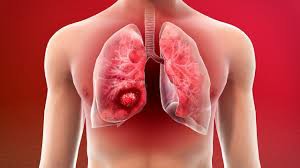
In addition to the above local symptoms, late-stage lung cancer may also cause systemic symptoms, such as weight loss, fatigue, anemia, etc. These symptoms are caused by tumors consuming a lot of energy and affecting appetite and digestive function. In addition, late-stage lung cancer may also present symptoms of metastasis, such as bone pain and pathological fractures caused by bone metastasis; jaundice, ascites, and anorexia caused by liver metastasis; headache, vomiting, and mental disorders caused by brain metastasis.
For patients with advanced lung cancer, the main goals of treatment are to relieve symptoms, improve quality of life, and prolong survival as much as possible. Treatment methods include chemotherapy, radiotherapy, targeted therapy, etc. The specific plan needs to be formulated according to the specific situation of the patient. At the same time, patients and their families should maintain a positive attitude, support each other, and face the disease together.
In short, the symptoms of late-stage lung cancer are diverse and may gradually worsen as the disease progresses. Understanding these symptoms can help patients seek immediate medical attention and receive professional treatment. At the same time, for high-risk groups, regular lung cancer screening is an important means to prevent and control lung cancer.
(Common lung cancer treatment drugs include: platinib, tepotinib, sotoracib, adagrasiib, entrectinib, lorlatinib, trametinib, dabrafenib, afatinib, osimertinib, crizotinib, etc. For specific drug details, please see the homepage of the website or click for consultation.)
Reference materials:https://www.cancerresearchuk.org/about-cancer/lung-cancer/symptoms
[ 免责声明 ] 本页面内容来自公开渠道(如FDA官网、Drugs官网、原研药厂官网等),仅供持有医疗专业资质的人员用于医学药学研究参考,不构成任何治疗建议或药品推荐。所涉药品可能未在中国大陆获批上市,不适用于中国境内销售和使用。如需治疗,请咨询正规医疗机构。本站不提供药品销售或代购服务。


