
.jpeg)
Guidelines for optimization and selection of treatment strategies for cholangiocarcinoma
The optimization and selection of treatment strategies for cholangiocarcinoma is a comprehensive decision-making process involving multiple disciplines and factors.
For patients with early-stage cholangiocarcinoma, surgical resection is the treatment of choice. Surgery is designed to completely remove the tumor and surrounding tissue while preserving as much healthy tissue as possible. Depending on the location and size of the tumor, hilar cholangiocarcinoma resection, common bile duct cancer resection, etc. can be selected. After surgery, based on the pathological staging and surgical results, it is decided whether radiotherapy or chemotherapy is needed to consolidate the curative effect.
For patients with intermediate and advanced cholangiocarcinoma, surgical resection may not be able to completely remove the cancer cells because the tumor may have spread to surrounding tissues or lymph nodes. At this time, treatment strategies should focus on controlling tumor growth, relieving symptoms, and prolonging survival.
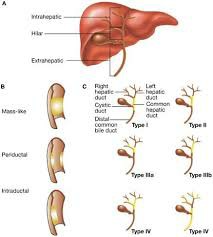
Chemotherapy is an important part of the treatment of cholangiocarcinoma and can be used to shrink tumors before surgery, prevent recurrence after surgery, or as palliative treatment. Commonly used chemotherapy drugs include cisplatin, fluorouracil, etc.
Radiotherapy uses high-energy rays to kill or inhibit the growth of tumor cells. It is suitable for patients with cholangiocarcinoma that cannot be removed by surgery, or for patients with local recurrence after surgery. Radiation therapy can be used alone or in combination with chemotherapy.
Drugs that target specific genetic mutations can inhibit tumor growth at the molecular level. Targeted therapy is usually used for patients with advanced or recurrent cholangiocarcinoma and needs to be performed under the guidance of a professional doctor.
Immunotherapy works by activating the patient's own immune system to identify and attack cancer cells. For some patients with cholangiocarcinoma, immunotherapy may have significant therapeutic benefits.
When formulating a treatment plan, factors such as the patient's age, physical condition, tumor stage, pathological type, etc. should be considered. The comprehensive diagnosis and treatment model of a multidisciplinary team (MDT) helps provide patients with more precise and comprehensive treatment plans. In addition, aspects such as psychological intervention, nutritional support, and pain management should also be considered in comprehensive treatment to improve patients' quality of life and treatment effects.
[ 免责声明 ] 本页面内容来自公开渠道(如FDA官网、Drugs官网、原研药厂官网等),仅供持有医疗专业资质的人员用于医学药学研究参考,不构成任何治疗建议或药品推荐。所涉药品可能未在中国大陆获批上市,不适用于中国境内销售和使用。如需治疗,请咨询正规医疗机构。本站不提供药品销售或代购服务。


