
.jpeg)
Discussion on drug resistance management and treatment methods of cholangiocarcinoma
For patients with cholangiocarcinoma who have repeated high fevers and develop drug resistance, it is recommended to conduct bacterial culture and drug sensitivity testing. Through this experiment, it can be determined which antibiotic the patient is sensitive to, so that sensitive antibiotics can be selected for anti-infective treatment to improve the therapeutic effect.
During the treatment process, the patient's condition changes and drug response should be monitored regularly. Once drug resistance is discovered, the treatment plan should be adjusted in time to avoid worsening of the condition. Each patient with cholangiocarcinoma has a different drug resistance profile, so an individualized treatment plan needs to be developed based on the patient's specific conditions. This includes choosing the appropriate drug, dose, and method of administration.
For patients with early-stage cholangiocarcinoma, radical surgical resection is the preferred treatment option. Complete surgical removal of the tumor and surrounding affected tissue can hopefully cure the disease. However, for patients with advanced cholangiocarcinoma, surgery may not be able to completely remove the tumor, but it can still be used as a palliative treatment to relieve symptoms and prolong survival.
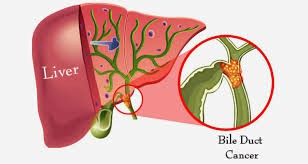
Chemotherapy and radiation therapy are common treatments for cholangiocarcinoma. Chemotherapy uses chemical drugs to kill cancer cells, while radiation therapy uses high-energy rays to destroy the DNA of cancer cells. Both methods can be used for preoperative adjuvant treatment, postoperative adjuvant treatment, and palliative treatment of advanced cholangiocarcinoma. However, it should be noted that cholangiocarcinoma is relatively less sensitive to chemotherapy and radiotherapy and is prone to developing drug resistance.
In recent years, targeted therapy and immunotherapy have made significant progress in the treatment of cholangiocarcinoma. Targeted drugs can specifically inhibit the growth and proliferation of tumor cells, while immune drugs attack cancer cells by activating the body's immune system. These methods provide new treatment options for patients with cholangiocarcinoma, especially those who are insensitive or resistant to chemotherapy and radiotherapy.
The treatment of cholangiocarcinoma needs to comprehensively consider many factors such as the patient's physical condition, tumor characteristics, and treatment goals. Individualized treatment and precision treatment have become important trends in the treatment of cholangiocarcinoma. Through genetic testing, molecular diagnosis and other means, we can gain an in-depth understanding of the biological characteristics and drug resistance of tumors, thereby providing patients with more precise treatment options. At the same time, nutritional support and psychological support are equally important in the treatment of cholangiocarcinoma, helping to improve patients' quality of life and treatment effects.
(Click to view the introduction of drugs for the treatment of cholangiocarcinoma. For specific drug details, please click for one-on-one consultation.)
https://pmc.ncbi.nlm.nih.gov/articles/PMC8970309/
[ 免责声明 ] 本页面内容来自公开渠道(如FDA官网、Drugs官网、原研药厂官网等),仅供持有医疗专业资质的人员用于医学药学研究参考,不构成任何治疗建议或药品推荐。所涉药品可能未在中国大陆获批上市,不适用于中国境内销售和使用。如需治疗,请咨询正规医疗机构。本站不提供药品销售或代购服务。


