
.jpeg)
Early signs and symptoms of cholangiocarcinoma
Cholangiocarcinoma is a malignant tumor originating from the bile duct epithelium. Its early signs and symptoms may not be obvious and are easily overlooked or misdiagnosed.
In the early stages, cholangiocarcinoma may cause abdominal discomfort, dull pain, or distended pain. The location of the pain may be in the upper right area of u200bu200bthe abdomen, under the ribs. This pain may be intermittent and may become constant as the condition progresses.
Cholangiocarcinoma may block the bile ducts, causing jaundice. Jaundice is a yellowing of the skin and the whites of the eyes caused by a buildup of bilirubin in the body. Jaundice is one of the most common early symptoms of cholangiocarcinoma and may gradually worsen.
Cholangiocarcinoma may cause a buildup of gas in the intestines, causing digestive problems such as bloating, heartburn, indigestion, and loss of appetite. These symptoms may be related to the tumor compressing the stomach or interfering with digestive function.
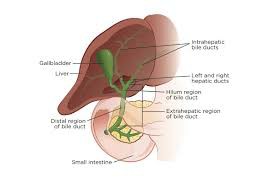
Cholangiocarcinoma may cause fatty stools, causing steatorrhea. Additionally, the stool may appear grayish-white or clay-colored because bile cannot flow into the intestines.
In the early stages of cholangiocarcinoma, many patients experience unexplained weight loss. This may be due to tumors consuming nutrients and energy from the body.
Cholangiocarcinoma may cause anemia and fatigue. This is due to cancer cells depleting the body of nutrients and energy, as well as possible damage to liver function.
In addition to the above common symptoms, patients with cholangiocarcinoma may also experience other symptoms, such as dark yellow urine (such as strong tea color), itchy skin, chills and high fever, nausea and vomiting, etc. These symptoms may be related to biliary obstruction, infection, or impaired liver function.
It should be noted that the early symptoms of cholangiocarcinoma may not be obvious and can easily be ignored or misdiagnosed. Therefore, people with high risk factors for cholangiocarcinoma (such as bile duct stones, bile duct infection, inflammatory bowel disease, etc.) should undergo regular examinations for early detection and treatment. In addition, if any of the above symptoms occur, especially if they last for a long time or gradually worsen, you should seek medical treatment in time and conduct a detailed examination.
(Click to view the introduction of drugs for the treatment of cholangiocarcinoma, and click for one-on-one consultation for specific drug details.)
Reference: https://www.cancer.gov/types/liver/bile-duct-cancer/stages
[ 免责声明 ] 本页面内容来自公开渠道(如FDA官网、Drugs官网、原研药厂官网等),仅供持有医疗专业资质的人员用于医学药学研究参考,不构成任何治疗建议或药品推荐。所涉药品可能未在中国大陆获批上市,不适用于中国境内销售和使用。如需治疗,请咨询正规医疗机构。本站不提供药品销售或代购服务。


