
.jpeg)
Can ulcerative colitis be cured?
Ulcerative colitis (UC) is a chronic inflammatory bowel disease characterized by persistent inflammation of the lining of the colon and rectum. The exact cause of this disease is unknown, but its onset is closely related to genetics, immune system abnormalities, and environmental factors. Although there is currently no cure for ulcerative colitis, with appropriate treatment and management, many patients can achieve long-term remission.
The main goals of treating ulcerative colitis are to reduce symptoms, induce and maintain remission, and prevent complications. Drug treatment is usually the first choice, and commonly used drugs include anti-inflammatory drugs, immunosuppressants, and biological agents. Among them, 5-aminosalicylic acid (5-ASA) drugs are the basic drugs for the treatment of mild to moderate ulcerative colitis and can effectively control intestinal inflammation. In addition, steroid drugs are also widely used to control acute attacks, but long-term use may cause side effects, so they need to be handled with caution.
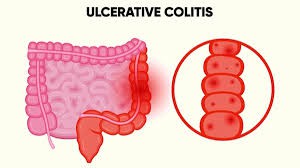
Surgery may be necessary for some patients who do not respond well to medical treatment or who develop severe complications. Surgery usually involves partial or total removal of the colon, which may later require an ostomy. Although this kind of surgery is not a "cure", it can help relieve severe symptoms and improve the patient's quality of life. With the advancement of medical technology and research, more and more patients are able to live a relatively normal life after surgery.
In addition to medications and surgical treatments, lifestyle modifications are also critical in managing ulcerative colitis. Patients should pay attention to their diet, choose foods that are easy to digest and rich in nutrients, and avoid foods that may irritate the intestines, such as spicy, greasy and high-fiber foods. When it comes to stress management, mental health is equally important in relieving symptoms, so consider counseling or participating in relaxation therapy.
Additionally, regular medical exams and monitoring are important components of managing ulcerative colitis. The doctor will adjust the treatment plan according to the patient's specific situation to ensure the best management effect. Patients should actively communicate with their doctors and promptly report any new symptoms or changes for quick response.
In recent years, with the continuous deepening of medical research, scientists have gradually deepened their understanding of ulcerative colitis. Several new therapies are in development, such as novel drugs and treatments that target specific immune mechanisms, which offer hope for future treatments. Although there is no complete cure for ulcerative colitis, many patients are able to effectively control their symptoms and achieve long-term relief through the above treatments.
Reference materials:https://www.mayoclinic.org/diseases-conditions/ulcerative-colitis/symptoms-causes/syc-20353326
(Click to view the introduction of drugs for the treatment of ulcerative colitis. For specific drug details, please click for one-on-one consultation.)
[ 免责声明 ] 本页面内容来自公开渠道(如FDA官网、Drugs官网、原研药厂官网等),仅供持有医疗专业资质的人员用于医学药学研究参考,不构成任何治疗建议或药品推荐。所涉药品可能未在中国大陆获批上市,不适用于中国境内销售和使用。如需治疗,请咨询正规医疗机构。本站不提供药品销售或代购服务。


