
.jpeg)
What are the symptoms of fallopian tube cancer?
Fallopian tube cancer, also known as fallopian tube cancer, occurs in the fallopian tubes that connect the ovaries to the uterus. This disease is very rare, accounting for only 1% to 2% of all gynecological cancers. Approximately 1,500 to 2,000 cases of fallopian tube cancer have been reported worldwide. Approximately 300 to 400 women are diagnosed with this disease each year in the United States. It's more common for cancer to spread or metastasize from other parts of the body, such as theovaries or endometrium, than for the cancer to actually originate in the fallopian tubes.
Fallopian tube cancer usually occurs in women 50 to 60 years old, but can occur at any age. The disease is more common in white women who have had fewer or no children.
Because this cancer is so rare, little is known about its cause. However, researchers are investigating whether genetic factors play a role. There is evidence that women who inherit the gene BRCA1 which is associated with breast and ovarian cancer also have a higher risk of fallopian tube cancer.
One of the typical symptoms of fallopian tube cancer is vaginal discharge. The patient may discharge light yellow or blood-like fluid, which is variable in quantity and generally has no odor. When tumor necrosis and bleeding occur, the fluid may appear bloody and watery. This discharge phenomenon is caused by the necrosis and detachment of tumor cells, causing the fallopian tube wall to rupture and exudate to flow into the vagina.
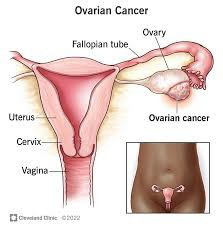
In addition to vaginal discharge, patients with fallopian tube cancer may also experience irregular vaginal bleeding. Bleeding may come from the same place as discharge. When tumor necrosis invades blood vessels, the blood flow can flow into the uterus and be discharged through the vagina.
Abdominal pain is also a common symptom of fallopian tube cancer, and about half of patients have lower abdominal pain. The pain is generally not severe and often manifests as intermittent dull pain or cramping in one side of the lower abdomen. This pain may be caused by the tumor pressing on surrounding tissue or organs, or by pressure on the walls of the fallopian tubes due to fluid buildup in the tubes.
In addition, as the disease progresses, patients may also feel a mass in the abdomen. These masses are usually formed by swelling of fallopian tube cancer. They are hard in texture, irregular in surface, and have poor mobility. The presence of a mass may indicate that the tumor has advanced to a certain stage and is putting pressure on surrounding tissue.
In addition to the above symptoms, patients with fallopian tube cancer may also experience other non-specific symptoms, such as weight loss, anemia, indigestion, abdominal distension, loss of appetite, etc. The appearance of these symptoms is usually related to malignant tumors consuming the body's energy and affecting normal physiological functions.
It should be noted that the symptoms of fallopian tube cancer may not be obvious in the early stages and can be easily confused with other gynecological diseases. Therefore, women who experience the above symptoms, especially those who are older and have a history of gynecological diseases, should seek medical attention promptly for detailed examination and treatment. Through gynecological ultrasound, CT scans and laboratory examinations, fallopian tube cancer can be detected early and corresponding treatment measures can be taken.
(Click to view an introduction to drugs for the treatment of fallopian tube cancer)
Reference materials:https://www.ucsfhealth.org/conditions/fallopian-tube-cancer
[ 免责声明 ] 本页面内容来自公开渠道(如FDA官网、Drugs官网、原研药厂官网等),仅供持有医疗专业资质的人员用于医学药学研究参考,不构成任何治疗建议或药品推荐。所涉药品可能未在中国大陆获批上市,不适用于中国境内销售和使用。如需治疗,请咨询正规医疗机构。本站不提供药品销售或代购服务。


