
.jpeg)
fallopian tube cancer triad
The triad of fallopian tube cancer refers to the combination of the three most common clinical symptoms of fallopian tube cancer, including vaginal discharge, abdominal pain and pelvic mass. The appearance of these symptoms usually indicates that fallopian tube cancer has developed to a certain stage, which has a serious impact on the patient's health and quality of life.
Vaginal discharge is one of the most common symptoms of the fallopian tube cancer triad. Patients may discharge serous or serous-bloody fluid in varying amounts, but it is generally odorless. This fluid is formed when tumor cells die and accumulates in the fallopian tubes, eventually expelling through the vagina. The nature of the discharge may vary depending on individual differences. Sometimes it may be light yellow, and sometimes it may contain bloody components.
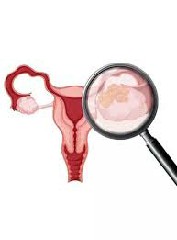
Abdominal pain is another important symptom in the fallopian tube cancer triad. Patients may experience discomfort or pain on one or both sides of their lower abdomen, which may be dull or cramping and may be mild or severe. Abdominal pain often occurs because a tumor is pressing on surrounding tissues or organs, or because fluid buildup in the tubes puts pressure on the walls of the fallopian tubes. As the condition progresses, abdominal pain may gradually worsen and may be accompanied by other symptoms such as low back pain and anal distension.
A pelvic mass is the third symptom in the fallopian tube cancer triad. Patients may feel a hard mass with an irregular surface in the lower abdomen. These masses are usually caused by swelling of the fallopian tube cancer, which puts pressure on the surrounding tissue. The size and location of the mass may vary from person to person; sometimes it may be near the pelvic edge and sometimes it may be deeper. The presence of a pelvic mass not only indicates that the tumor has developed to a certain stage, but may also have an impact on the patient's urinary and defecation functions.
The occurrence of the triad of fallopian tube cancer usually means that patients need to see a doctor immediately for detailed examination and treatment. Through gynecological ultrasound, CT scans and laboratory tests, doctors can determine the location, size and nature of the tumor and formulate corresponding treatment plans. Treatment of fallopian tube cancer usually includes a combination of surgical removal of diseased tissue, chemotherapy and radiotherapy. Early detection and treatment of fallopian tube cancer is of great significance to improving the survival rate and quality of life of patients.
(Click to view an introduction to drugs for the treatment of fallopian tube cancer)
[ 免责声明 ] 本页面内容来自公开渠道(如FDA官网、Drugs官网、原研药厂官网等),仅供持有医疗专业资质的人员用于医学药学研究参考,不构成任何治疗建议或药品推荐。所涉药品可能未在中国大陆获批上市,不适用于中国境内销售和使用。如需治疗,请咨询正规医疗机构。本站不提供药品销售或代购服务。


