
.jpeg)
Bedaquiline blood concentration range
The blood concentration range of bedaquiline (Bedaquiline) is of great significance for evaluating its therapeutic efficacy and safety. When treating multidrug-resistant tuberculosis, the ideal blood drug concentration should be maintained at a level that can effectively inhibit the proliferation of Mycobacterium tuberculosis, but at the same time avoid excessive concentrations to reduce potential toxic side effects.
The pharmacokinetic properties of bedaquiline in the human body show a long half-life of approximately5.5 months, which means that the drug will remain in the body for a long time, and reaching steady-state blood concentrations requires multiple administrations lasting several weeks. The absorption and metabolism of drugs are significantly affected by food. Taking them with food can increase their bioavailability by about two times, which is one of the reasons why patients are advised to take their drugs with food.
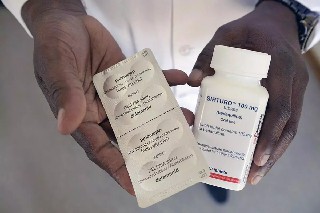
Generally, the steady-state plasma concentration of bedaquiline is gradually established after multiple doses. Based on pharmacokinetic studies, plasma concentrations typically range from 0.6 to 6.3 micrograms per milliliter (μg/mL). Concentration levels within this range are sufficient to effectively inhibit the ATP synthase of Mycobacterium tuberculosis, thereby interrupting the bacterium's energy supply and ultimately killing the bacterium. However, plasma concentrations may vary between individuals, depending on the patient's age, weight, liver function status, and use of other medications.
In monitoring blood drug concentrations, special attention needs to be paid to the risk of QT interval prolongation that may be caused by the drug. QTProlongation of the QT interval is closely related to increased blood drug concentrations, so patients with underlying heart problems should have their electrocardiograms monitored closely. Studies have shown that when blood drug concentrations are close to the upper limit, the risk of cardiac side effects may increase, so doctors need to adjust treatment plans according to the patient's specific situation.
In addition, bedaquiline is metabolized by the liver and is mainly decomposed by the CYP3A4 enzyme. If other drugs inhibit or induce CYP3A4, they may affect the plasma concentration of bedaquiline. For example, strong CYP3A4inhibitors, such as certain antifungal drugs, increase bedaquiline concentrations and the risk of toxicity, while CYP3A4 inducers may reduce the drug's efficacy.
[ 免责声明 ] 本页面内容来自公开渠道(如FDA官网、Drugs官网、原研药厂官网等),仅供持有医疗专业资质的人员用于医学药学研究参考,不构成任何治疗建议或药品推荐。所涉药品可能未在中国大陆获批上市,不适用于中国境内销售和使用。如需治疗,请咨询正规医疗机构。本站不提供药品销售或代购服务。


