
.jpeg)
Does the anti-tuberculosis drug bedaquiline need to be taken long-term?
The anti-tuberculosis drug Bedaquiline (Bedaquiline) usually needs to be taken during a longer treatment cycle, but the specific medication time is determined by the patient's condition and treatment plan. Bedaquiline is specifically used to treat multidrug-resistant tuberculosis (MDR-TB), a disease that is resistant to multiple first-line anti-tuberculosis drugs, such as isoniazid and rifampicin, so treatment is complex and takes longer.
The standard course of treatment with bedaquiline is 24 weeks (approximately 6 months), and the drug must be used in combination with other anti-tuberculosis drugs. Treatment is carried out in two phases: during the first two weeks, 400mg is taken once a day and three times a week. Subsequently, from week to week 24, the dose is adjusted to 200mg once a week. This long-term treatment regimen is designed to ensure that the drug continues to effectively suppress and eliminate Mycobacterium tuberculosis, reducing the risk of the development of drug resistance.
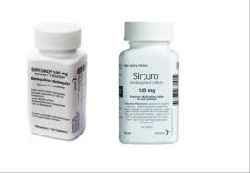
Because Mycobacterium tuberculosis grows and multiplies slowly, and multidrug-resistant tuberculosis is ineffective with traditional treatments, patients must strictly follow a long-term drug treatment regimen to prevent the bacteria from relapsing or developing further drug resistance. If treatment is interrupted or not completed as planned, the bacteria may not be completely cleared, leading to treatment failure and possible exacerbation of drug resistance.
There are certain risks associated with long-term use of bedaquiline, especially adverse reactions related to the heart and liver. This drug may prolong theQTinterval and increase the risk of cardiac arrhythmias, so regular ECG monitoring is required during treatment. In addition, bedaquiline may also cause abnormal liver function, and patients should undergo regular blood tests to ensure that the negative effects of the drug on the body are effectively controlled.
Despite the need for long-term administration of bedaquiline, combination treatment regimens have significantly improved outcomes for patients with multidrug-resistant TB, particularly in cases where drug resistance is extremely high or conventional treatments are ineffective. Therefore, patients should strictly follow the doctor's instructions during the entire treatment process, take medications on time, and undergo regular health monitoring to maximize the success rate of treatment and reduce drug-related risks. In conclusion, although the treatment cycle of bedaquiline is long, its persistence is crucial for the complete cure of multidrug-resistant tuberculosis.
[ 免责声明 ] 本页面内容来自公开渠道(如FDA官网、Drugs官网、原研药厂官网等),仅供持有医疗专业资质的人员用于医学药学研究参考,不构成任何治疗建议或药品推荐。所涉药品可能未在中国大陆获批上市,不适用于中国境内销售和使用。如需治疗,请咨询正规医疗机构。本站不提供药品销售或代购服务。


