
.jpeg)
The correct way to take bedaquiline
It is important to take Bedaquiline correctly to ensure optimal effectiveness of the drug and to reduce the risk of potential side effects. Bedaquiline should be taken under the guidance of a doctor and strictly follow the prescription instructions. Generally, drugs need to be used in combination with other anti-tuberculosis drugs to improve the success rate of treating multidrug-resistant tuberculosis.
The regimen of bedaquiline is usually divided into two phases. The first phase is for the first two weeks. Patients take 400 mg once a day for a total of three times a week. In the second phase, from the 3 week to the 24 week, the dose is adjusted to once a week, 200mg each time. This treatment plan is designed to balance the efficacy and safety of the drug to ensure continued suppression and eventual elimination of the bacteria. When taking it, it is recommended that patients take the drug with food, because food can significantly increase the absorption rate of bedaquiline, allowing it to work better in the body.
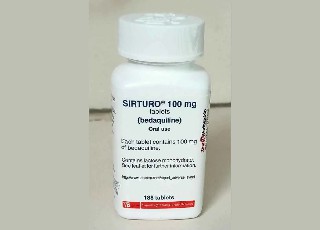
The drug should be swallowed whole and should not be chewed, crushed or divided to avoid affecting the release and absorption of the drug. In addition, patients should maintain a fixed medication time to maintain a stable drug concentration, thereby improving the therapeutic effect. If a dose of bedaquiline is accidentally missed, the patient should take the dose as soon as possible, but if it is close to the time of the next dose, the missed dose should be skipped and the dose should not be doubled to make up for the missed dose.
During the entire treatment period, patients need to avoid taking certain drugs at the same time that may affect the efficacy of bedaquiline or increase the risk of side effects. For example, other drugs that prolong the QT interval should be used with caution because bedaquiline itself may prolong the QT interval and increase the risk of arrhythmia. In addition, patients should avoid consuming alcoholic beverages, as alcohol may interact with medications and increase the risk of liver damage.
During treatment, doctors will perform regular monitoring of patients, including electrocardiograms to monitor heart health and blood tests to evaluate liver function. If patients experience palpitations, severe dizziness, chest pain or other abnormal symptoms while taking the drug, they should inform their doctor immediately and receive further evaluation.
[ 免责声明 ] 本页面内容来自公开渠道(如FDA官网、Drugs官网、原研药厂官网等),仅供持有医疗专业资质的人员用于医学药学研究参考,不构成任何治疗建议或药品推荐。所涉药品可能未在中国大陆获批上市,不适用于中国境内销售和使用。如需治疗,请咨询正规医疗机构。本站不提供药品销售或代购服务。


