
.jpeg)
Can kidney cancer be cured?
Renal cancer is a common malignant tumor that plays an important role among urinary system tumors, among which renal cell carcinoma (RCC) is the most common. For many patients, the first question upon learning they have been diagnosed with kidney cancer is: Can the disease be cured? The treatment effect of kidney cancer varies from individual to individual, and the specific situation needs to be judged based on the stage and type of the tumor and the patient's overall health.
Generally speaking, patients with localized renal cell carcinoma detected early can usually obtain a better survival prognosis by surgically removing the tumor. For patients with higher-risk localized renal cell carcinoma, combined with immunotherapy after surgery, long-term survival rates can be further improved. However, if kidney cancer has spread beyond the kidney, treatment becomes much more difficult and complex, so there is relatively little hope of cure. Despite this, with the continuous advancement of medical research, the survival period of patients with metastatic renal cell carcinoma is gradually extended.
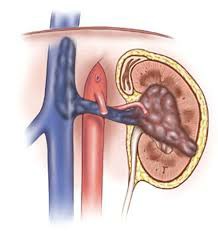
In the treatment of kidney cancer, the formulation of individualized treatment plans is particularly important. Localized renal cell carcinoma can often be effectively treated with surgery, especially if the tumor has not spread. After surgical removal, doctors may recommend adjuvant treatments, such as immunotherapy, based on the characteristics of the tumor and the patient's risk assessment. This type of treatment activates the patient's own immune system and improves the body's ability to fight cancer cells, thereby reducing the risk of recurrence and improving prognosis.
For patients with advanced renal cell carcinoma, the possibility of cure is relatively low because the tumor has metastasized. However, the rapid development of modern medicine has brought new treatment options, especially targeted therapy and immunotherapy. These new therapies target specific cancer cell mechanisms and can effectively inhibit tumor growth and spread. Although there is currently no complete cure, patient survival and quality of life are significantly improved by these new treatments.
When facing kidney cancer, patients and their families should maintain good communication with doctors, understand the progression of the disease and available treatment options, and actively participate in treatment decisions. This challenge can be better addressed by formulating an appropriate treatment plan by comprehensively considering the condition, treatment methods, personal psychological state and other factors.
To sum up, the cure of kidney cancer depends on many factors, including the stage of the tumor, the patient's health status, and the timeliness and selectivity of treatment. Although advanced renal cell carcinoma is difficult to cure, advances in modern medicine have gradually extended the survival period and improved the quality of life of metastatic patients.
(Click to view an introduction to drugs for the treatment of kidney cancer)
References:
https://my.clevelandclinic.org/health/diseases/24906-renal-cell-carcinoma
[ 免责声明 ] 本页面内容来自公开渠道(如FDA官网、Drugs官网、原研药厂官网等),仅供持有医疗专业资质的人员用于医学药学研究参考,不构成任何治疗建议或药品推荐。所涉药品可能未在中国大陆获批上市,不适用于中国境内销售和使用。如需治疗,请咨询正规医疗机构。本站不提供药品销售或代购服务。


