
.jpeg)
How is kidney cancer diagnosed?
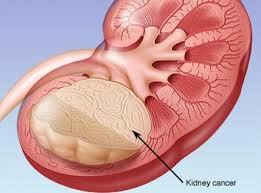
Renal Cell Carcinoma (RCC) is the most common type of kidney cancer in adults and usually occurs in men between the ages of 60 and 70. It originates in cells within the kidneys called tubules, and as the disease progresses, the tumor may spread to other organs such as the bones, lungs, or brain. Because kidney cancer often has no obvious symptoms in its early stages, many patients are diagnosed at an advanced stage. Therefore, timely and effective diagnosis is crucial to improve treatment effects and survival rates. Methods for diagnosing kidney cancer include a detailed history, physical examination, imaging studies, and laboratory tests.
During the diagnosis of kidney cancer, doctors will first conduct detailed inquiries about the patient's symptoms, medical history, and family history. This session helps to understand the patient's health status and potential risk factors. Next, your doctor will perform a physical examination to look for signs of possible abnormalities, such as tenderness or masses in the kidney area. If initial tests suggest the possibility of kidney cancer, doctors usually recommend further imaging and laboratory testing.
1. Imaging examination:
1) Computed tomography (CT): A CT scan uses X-rays to produce detailed images of the kidneys and abdomen. Through the use of contrast agents, the characteristics of tumors in the kidney and whether there is cancer or metastasis can be more clearly observed. CT scan is a commonly used and effective diagnostic tool.
2) Magnetic Resonance Imaging (MRI): MRI is able to provide detailed images of the kidneys and surrounding structures without the use of radiation. Although MRI examinations take longer, in some cases, especially when CT scan results are unclear, doctors may choose MRI.
3) Ultrasound: Ultrasound testing uses sound waves to generate images of the kidneys and can help distinguish cysts and tumors within the kidneys. This method is radiation-free and highly safe, and is often used in preliminary screening.
2. Laboratory testing:
Blood and urine tests: Your doctor will order routine blood and urine tests to assess kidney function and look for suspicious markers, such as blood in the urine or an elevated erythrocyte sedimentation rate, which may be related to kidney cancer.
3. Biopsy:
In some special cases, your doctor may recommend a kidney biopsy, in which a small piece of tissue is removed from the kidney with a fine needle for pathological analysis. This procedure can help confirm the type of tumor but is not usually used as a first-line diagnosis because a biopsy can cause complications.
To sum up, the diagnosis of kidney cancer relies on the comprehensive use of multiple methods, including clinical evaluation, imaging examinations and laboratory tests. Through these methods, doctors can determine the presence, type and extent of kidney cancer, so as to develop personalized treatment plans for patients. Having early and regular physical examinations and paying attention to your own health will help improve the early detection rate and treatment effect of kidney cancer.
(Click to view an introduction to drugs for the treatment of kidney cancer)
References:
https://www.kidney.org/kidney-topics/kidney-cancer
[ 免责声明 ] 本页面内容来自公开渠道(如FDA官网、Drugs官网、原研药厂官网等),仅供持有医疗专业资质的人员用于医学药学研究参考,不构成任何治疗建议或药品推荐。所涉药品可能未在中国大陆获批上市,不适用于中国境内销售和使用。如需治疗,请咨询正规医疗机构。本站不提供药品销售或代购服务。


