
.jpeg)
What are the symptoms of kidney cancer?
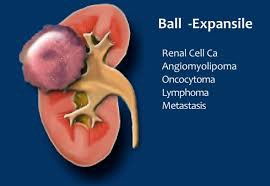
Renal Cell Carcinoma (RCC) is the most common type of kidney cancer in adults and usually occurs in men between the ages of 60 and 70. Renal cell carcinoma originates in the lining of the kidney's tubules, and its exact cause is unknown. However, research shows that several factors may increase the risk, including smoking, obesity, high blood pressure, chronic dialysis, family history, and certain genetic diseases. In addition, long-term use of pain medications or diuretics may increase the risk. The early symptoms of kidney cancer are not obvious and are often ignored. However, as the disease progresses, patients will gradually develop a series of uncomfortable symptoms. These symptoms are crucial for early identification and treatment.
Symptoms of renal cell carcinoma vary and often include the following:
1. Abdominal pain and swelling: Many patients will feel abdominal discomfort and even significant swelling as the disease progresses, which may be caused by tumor growth.
2. Back pain: Kidney cancer may cause lower back pain, especially when the tumor compresses surrounding tissue, and the pain may radiate to other areas.
3. Blood in the urine: This is a relatively common symptom of kidney cancer. Patients may find that the urine is red or dark brown, indicating the presence of blood.
4. Varicocele: In male patients, tumors may cause the veins around the testicles to swell, which is medically known as varicocele.
5. Waist pain: As kidney function is impaired, patients may experience persistent pain in the waist, which often occurs along with other symptoms.
6. Weight loss and loss of appetite: Due to the impact of tumors, patients may experience loss of appetite and experience unexplained weight loss.
7. Fever: Some patients may experience fever as part of the body's response to the tumor.
8. Liver dysfunction: Tumors may affect the function of the liver, causing related symptoms such as fatigue, indigestion, etc.
9. Elevated erythrocyte sedimentation rate (ESR): This is a change that can be detected through a blood test and indicates the presence of inflammation or tumors in the body.
10. Excessive hair growth in women: Some female patients may experience abnormal hirsutism, which is the result of changes in hormone levels in the body.
11. Pale Skin: Patients may notice that their skin becomes pale due to a decrease in red blood cells or anemia.
12. Vision problems: In some cases, kidney cancer can affect vision, especially if the tumor has spread to other areas.
Understanding these symptoms is crucial to detecting renal cell cancer early. Once the above abnormalities occur, it is recommended to seek medical examination and diagnosis in time to facilitate early intervention and improve the chance of cure. Regular physical examinations and a healthy lifestyle can effectively reduce the risk of kidney cancer.
(Click to view an introduction to drugs for the treatment of kidney cancer)
References:
https://medlineplus.gov/ency/article/000516.htm
[ 免责声明 ] 本页面内容来自公开渠道(如FDA官网、Drugs官网、原研药厂官网等),仅供持有医疗专业资质的人员用于医学药学研究参考,不构成任何治疗建议或药品推荐。所涉药品可能未在中国大陆获批上市,不适用于中国境内销售和使用。如需治疗,请咨询正规医疗机构。本站不提供药品销售或代购服务。


