
.jpeg)
How long can one live with glioblastoma?
Glioblastoma (GBM) is the most malignant and highly invasive tumor of the central nervous system, and its prognosis is usually poor. The patient's survival depends on many factors, including treatment modalities, molecular markers, patient age and health status, etc.
1. Mean survival time: The median survival time of GBM patients who do not receive treatment is usually only3-6 months. The median survival of patients who receive standard treatment (surgical resection, radiotherapy combined with temozolomide chemotherapy) can be extended to 12-15 months. About 5%-10% of patients survive for more than 5 years.
2. Influencing factors
Treatment methods: Surgery to remove the tumor as completely as possible, combined with radiotherapy and chemotherapy and tumor electric field therapy (TTFields) can help prolong survival.
Molecular markers:MGMTpromoter methylation patients are more sensitive to temozolomide, and the median survival time can be extended to 21 months. IDHPatients with mutations generally have a better prognosis.
Age and physical status: Patients who are younger (<50 years old) and have better physical fitness scores have longer survival times.
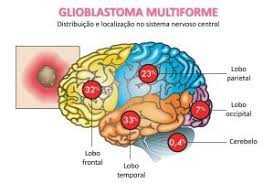
Tumor location: The tumor is located in a functional area of the brain that is difficult to completely remove with surgery and may shorten survival.
3. Long-term survival rate: Although the 5 annual survival rate of GBM is only 5%, a small number of patients may achieve long-term survival or even clinical remission through comprehensive treatment and better molecular characteristics.
4. New treatment progress: Immunotherapy (such asCAR-Tcell therapy, checkpoint inhibitors), gene therapy and personalized targeted therapy are being explored. Some clinical trial results show that they can prolong survival, but their efficacy varies depending on individual differences.
GBM is a highly heterogeneous disease, and its survival period varies greatly among individuals. The development of multidisciplinary treatments and emerging therapies brings hope to patients, and further research into more effective treatment strategies is needed in the future.
(Click to view an introduction to drugs for the treatment of glioblastoma.)
xa0
Reference materials:
1.Stupp R, et al. "Radiotherapy plus Concomitant and Adjuvant Temozolomide for Glioblastoma." N Engl J Med, 2005.
2.National Cancer Institute. Glioblastoma Overview. https://www.cancer.gov
3.American Brain Tumor Association. Glioblastoma Facts. https://www.abta.org
[ 免责声明 ] 本页面内容来自公开渠道(如FDA官网、Drugs官网、原研药厂官网等),仅供持有医疗专业资质的人员用于医学药学研究参考,不构成任何治疗建议或药品推荐。所涉药品可能未在中国大陆获批上市,不适用于中国境内销售和使用。如需治疗,请咨询正规医疗机构。本站不提供药品销售或代购服务。


