
.jpeg)
What causes glioblastoma?
Glioblastoma (GBM) is the most common and highly aggressive malignant tumor of the central nervous system. Its exact cause is not yet fully understood, but studies have shown that its pathogenesis is related to a variety of genetic and environmental factors.
1. Genetic factors
The occurrence of GBM is usually accompanied by specific genetic mutations. The most common genetic abnormalities include:
Tumor suppressor gene inactivation: For example,TP53 gene mutation leads to abnormal regulation of cell division.
Epidermal growth factor receptor (EGFR) amplification: promotes tumor cell proliferation and survival.
IDH1/IDH2mutations: present in some secondaryGBM patients and associated with better prognosis.
In addition, some familial genetic syndromes (eg, Li-Fraumeni syndrome, Turcot syndrome) may increase the risk of GBM.
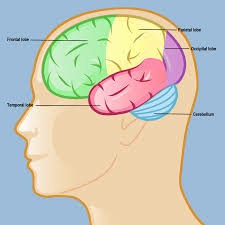
2. Environmental factors
Although the exact environmental causative agent is uncertain, research has found that certain factors may increase risk:
Ionizing radiation: Long-term exposure to high doses of radiation may causeDNA damage and cause tumors.
Chemical substance exposure: For example, certain industrial chemicals or pesticides may be related to the disease, but the evidence is limited.
3. Age and gender
GBMmostly occurs in middle-aged and elderly people (40 and above), and the prevalence rate in men is slightly higher than in women, suggesting that age-related biological changes may be an important factor.
4. Natural pathological process
GBMusually arises from the malignant transformation of glial cells (such as astrocytes). Disturbances in cell signaling pathways, such as enhanced PI3K/AKT/mTOR signals, can promote tumor occurrence and development.
GBM is a multi-factor, multi-step pathological process in which genetic susceptibility and external environment work together. In the future, a deeper understanding of its pathogenesis will help develop targeted treatment options.
(Click to view an introduction to drugs for the treatment of glioblastoma.)
xa0
Reference materials:
1.Holland EC. "Glioblastoma multiforme: the terminator." Proc Natl Acad Sci USA, 2000.
2.National Cancer Institute. Glioblastoma Overview. https://www.cancer.gov
3.American Brain Tumor Association. Risk Factors for Brain Tumors. https://www.abta.org
[ 免责声明 ] 本页面内容来自公开渠道(如FDA官网、Drugs官网、原研药厂官网等),仅供持有医疗专业资质的人员用于医学药学研究参考,不构成任何治疗建议或药品推荐。所涉药品可能未在中国大陆获批上市,不适用于中国境内销售和使用。如需治疗,请咨询正规医疗机构。本站不提供药品销售或代购服务。


