
.jpeg)
Early symptoms of glioblastoma
Glioblastoma (GBM) is a highly malignant brain tumor. Its early symptoms often vary depending on the location, size and growth rate of the tumor. Because early symptoms are mostly non-specific, they are easily overlooked or confused with other diseases. The following are common early manifestations of GBM:
1. Headache: Headache is one of the most common symptoms of GBM, and about 30%-50% of patients develop it early. This type of headache is usually related to increased intracranial pressure, manifests as continuous or intermittent, is more obvious in the morning, and is accompanied by nausea and vomiting in severe cases.
2. Epileptic seizures: Elepsy is another common early symptom, especially when the tumor is located in the cerebral cortex. Patients may experience focal epilepsy (such as limb twitching) or generalized seizures for the first time.
3. Cognitive or behavioral changes: GBMPatients may experience memory loss, difficulty concentrating, or personality changes, such as depression and irritability. These symptoms are often related to tumor compression or infiltration into functional areas of the brain.
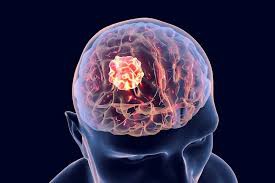
4. Neurological deficit: Depending on the specific location of the tumor, patients may experience unilateral limb weakness, numbness, blurred vision, or language impairment (such as difficulty in expression or understanding). These symptoms usually indicate that the tumor affects the motor cortex, visual pathways, or language areas.
5. Nausea and vomiting: As intracranial pressure increases due to tumor growth, patients may present with nausea and projectile vomiting in the early stages, usually along with headache.
6. Other symptoms: Papiledema (caused by increased intracranial pressure), unsteady walking, or balance disorders may also appear early.
The early symptoms of glioblastoma are often insidious and can easily be misdiagnosed as migraines, depression or other neurological diseases. When the above symptoms occur, you need to seek medical attention as soon as possible and obtain a clear diagnosis through imaging examinations (such as MRI).
(Click to view an introduction to drugs for the treatment of glioblastoma.)
xa0
Reference materials
1.National Cancer Institute. Glioblastoma Symptoms. https://www.cancer.gov
2.American Brain Tumor Association. Early Signs of Brain Tumors. https://www.abta.org
3.Mayo Clinic. Brain Tumor Symptoms. https://www.mayoclinic.org
[ 免责声明 ] 本页面内容来自公开渠道(如FDA官网、Drugs官网、原研药厂官网等),仅供持有医疗专业资质的人员用于医学药学研究参考,不构成任何治疗建议或药品推荐。所涉药品可能未在中国大陆获批上市,不适用于中国境内销售和使用。如需治疗,请咨询正规医疗机构。本站不提供药品销售或代购服务。


