
.jpeg)
Analysis of dizziness symptoms in patients with advanced nasopharyngeal cancer
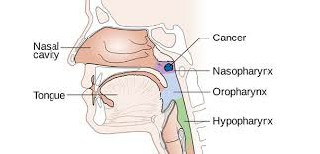
Dizziness is a common clinical manifestation in patients with advanced nasopharyngeal cancer, and its occurrence is closely related to the location, size, extent of invasion and compression of surrounding tissues by the tumor.
1. Causes of dizziness
Tumors compress blood vessels and nerves: Tumors in advanced nasopharyngeal cancer may compress blood vessels and nerves in the neck, leading to insufficient blood supply or neurological dysfunction, which can lead to dizziness. Especially when the tumor compresses the vertebral artery or internal carotid artery, it will affect the blood circulation of the brain and cause dizziness.
Bone destruction of the skull base: As the tumor progresses, it may destroy the bones of the skull base, causing increased intracranial pressure or compression of cranial nerves, which is also an important cause of dizziness.
Blockage of lymphatic circulation in the inner ear: Tumors may invade the structure of the inner ear and affect the circulation of lymph fluid in the inner ear, leading to imbalance of balance function and causing dizziness.
2. Characteristics of dizziness
Continuous or intermittent: Dizziness symptoms may appear to be continuous or intermittent. In the early stages, dizziness may be occasional and not serious; but as the tumor progresses, symptoms may become persistent and significant.
Accompanied by other symptoms: Dizziness is often accompanied by other symptoms, such as headache, vertigo, tinnitus, hearing loss, etc. These symptoms may occur together or separately, but they can have a serious impact on the patient's daily life.
Impact on daily activities: When dizziness symptoms are severe, patients may be unable to work and live normally, or even need bed rest. This not only reduces the quality of life of patients, but also places a burden on families and society.
3. Treatment measures
Seek medical attention promptly: When patients with advanced nasopharyngeal cancer develop dizziness symptoms, they should seek medical treatment promptly for professional evaluation and treatment. Doctors will develop appropriate treatment plans based on the patient's specific conditions to relieve dizziness symptoms and control the progression of the disease.
Comprehensive treatment: The treatment of advanced nasopharyngeal cancer requires comprehensive measures, including radiotherapy, chemotherapy, targeted therapy, etc. These treatments are designed to reduce tumor size, reduce pressure on surrounding tissue and relieve symptoms such as dizziness.
Life conditioning: In addition to professional treatment, patients should also pay attention to life conditioning. Maintaining adequate sleep, avoiding overexertion, and maintaining a good attitude can help relieve dizziness symptoms and improve quality of life.
(Click to view an introduction to drugs for the treatment of nasopharyngeal cancer)
https://pmc.ncbi.nlm.nih.gov/articles/PMC3118637/
[ 免责声明 ] 本页面内容来自公开渠道(如FDA官网、Drugs官网、原研药厂官网等),仅供持有医疗专业资质的人员用于医学药学研究参考,不构成任何治疗建议或药品推荐。所涉药品可能未在中国大陆获批上市,不适用于中国境内销售和使用。如需治疗,请咨询正规医疗机构。本站不提供药品销售或代购服务。


