
.jpeg)
Early detection methods for nasopharyngeal cancer
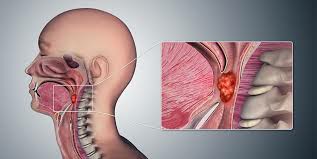
Nasopharyngeal cancer is a relatively common malignant tumor of the head and neck. Early detection and accurate diagnosis are crucial for treatment and prognosis.
1. Physical examination
Physical examination is the basic step for early screening of nasopharyngeal cancer. The doctor will observe the patient's head and neck, especially whether the cervical lymph nodes are swollen, because nasopharyngeal cancer can easily metastasize to the cervical lymph nodes. At the same time, the doctor will also check the nasal cavity and nasopharynx to observe whether there are abnormal secretions, tumors, etc.
2. Nasopharyngoscopy
Nasopharyngoscopy is an important method for diagnosing nasopharyngeal cancer. By inserting a flexible tube with a tiny camera into the nasal cavity, doctors can directly observe the condition of the nasopharynx and look for abnormal masses or lesions. Nasopharyngoscopy can be divided into two types: indirect nasopharyngoscopy and fiberoptic nasopharyngoscopy (or electronic nasopharyngoscopy). The latter is more widely used in clinical practice because it can provide clearer images and can perform biopsy.
3. Imaging examination
CT Scan: CT Scan can display information such as the location, size and shape of the tumor, and is helpful in assessing the scope and depth of nasopharyngeal cancer. For patients with suspected nasopharyngeal cancer, CT scan is one of the commonly used imaging examination methods.
MRIImaging: MRIimaging has high resolution of soft tissue and can more accurately display the scope of nasopharyngeal tumors and their relationship with surrounding tissues. In the diagnosis and staging of nasopharyngeal carcinoma, MRI is generally more advantageous than CT.
4. EBViral serological testing
EBThe virus is closely related to the occurrence and development of nasopharyngeal cancer. The levels of EBvirus antibodies in the serum of some nasopharyngeal cancer patients will increase. therefore,EBVirus serology detection can be used as an auxiliary indicator for the diagnosis of nasopharyngeal carcinoma. However, it should be noted that EB elevated virus antibodies do not necessarily mean that you have nasopharyngeal cancer. Comprehensive judgment needs to be combined with other examination results.
5. Biopsy Histopathological Examination
Biopsy histopathological examination is the gold standard for the diagnosis of nasopharyngeal carcinoma. Under the guidance of imaging positioning, the doctor will take a small tissue sample from the suspected lesion and send it to the pathology department for processing and analysis. By observing cellular structures under a microscope, you can determine whether cancer is present.
(Click to view an introduction to drugs for the treatment of nasopharyngeal cancer)
References:
https://pmc.ncbi.nlm.nih.gov/articles/PMC3118637/
[ 免责声明 ] 本页面内容来自公开渠道(如FDA官网、Drugs官网、原研药厂官网等),仅供持有医疗专业资质的人员用于医学药学研究参考,不构成任何治疗建议或药品推荐。所涉药品可能未在中国大陆获批上市,不适用于中国境内销售和使用。如需治疗,请咨询正规医疗机构。本站不提供药品销售或代购服务。


