
.jpeg)
Does nasopharyngeal cancer cause nose enlargement?
Nasopharyngeal cancer is a malignant tumor that occurs in the nasopharynx. As the tumor grows, it may invade surrounding tissues and structures. In some cases, nasopharyngeal cancer can cause swelling of the nose. This is mainly due to the enlargement of the tumor itself, which puts pressure on the nasal cavity and perineal tissues, thereby causing local swelling. In addition, nasopharyngeal cancer may also cause thickening of the inner wall of the nasal cavity and edema, which may also indirectly lead to nasal enlargement.
Although nasopharyngeal cancer may cause nasal enlargement, this symptom is not specific to nasopharyngeal cancer. Nasal enlargement can also be caused by a variety of other causes, such as turbinate hypertrophy, nasal inflammation, allergic reactions, etc. Therefore, the symptom of nasal swelling alone cannot determine whether you have nasopharyngeal cancer.
In addition to the possible enlargement of the nose, nasopharyngeal cancer has a range of other symptoms. These symptoms may include:
Nasal congestion: Tumors may block the nasal cavity, causing poor ventilation.
Blood in the nose: The tumor may invade the nasal mucosa or blood vessels, causing bleeding.
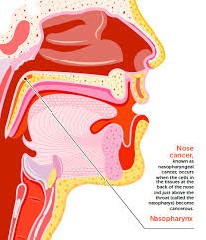
Tinnitus and hearing loss: Tumors may compress the Eustachian tube or invade the auditory nerve.
Headache: The tumor may invade the bones or nerves at the base of the skull.
Swollen cervical lymph nodes: Nasopharyngeal cancer is prone to cervical lymph node metastasis.
Because the symptoms and signs of nasopharyngeal cancer may vary between individuals and the extent of the disease, the diagnosis of nasopharyngeal cancer requires a variety of methods. These methods may include:
Nasopharyngoscopy: Direct observation of the nasopharynx to look for abnormal masses or lesions.
Imaging examinations: such asCT, MRI, etc., which display information such as the location, size and shape of the tumor.
Biopsy histopathological examination: Take tissue samples from suspected lesions for pathological examination to confirm the diagnosis of nasopharyngeal cancer.
(Click to view an introduction to drugs for the treatment of nasopharyngeal cancer)
References:
https://www.e-roj.org/upload/pdf/roj-2020-00213.pdf
[ 免责声明 ] 本页面内容来自公开渠道(如FDA官网、Drugs官网、原研药厂官网等),仅供持有医疗专业资质的人员用于医学药学研究参考,不构成任何治疗建议或药品推荐。所涉药品可能未在中国大陆获批上市,不适用于中国境内销售和使用。如需治疗,请咨询正规医疗机构。本站不提供药品销售或代购服务。


