
.jpeg)
Estimate of survival while taking ensidipine
Survival prediction when taking ensidipine is a complex issue involving multiple factors, including individual differences among patients, severity of the disease, choice of treatment options, and drug efficacy and side effects.
Ensidipine, as a targeted drug, is mainly used to treat relapsed or refractory acute myeloid leukemia (AML) carrying IDH2 gene mutations. Clinical trials have shown that ensidipine can significantly prolong the survival of these patients. Specifically, the overall response rate (ORR) of ensidipine was 40.3%, with a complete response (CR) rate of 19.3%. Among patients who received ensidipine, the median overall survival (OS) was 9.3 months, compared with 19.7 and 14.4 months in patients who achieved complete or partial response, respectively.
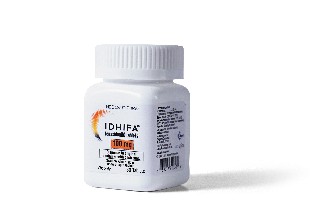
Each patient's physical condition, liver and kidney function, drug metabolizing enzyme activity, etc. are different. These factors will affect the metabolic process and duration of drug effect of ensidipine in the body, thereby affecting survival. Disease severity is an important factor affecting survival. In patients with milder disease, ensidipine may work more quickly and last longer; in patients with more severe disease, survival may be shorter.
In addition to ensidipine, patients may also need to receive other treatments, such as chemotherapy, radiation therapy, or hematopoietic stem cell transplantation. The choice and combination of treatment options also affects patient survival.
Although ensidipine can significantly prolong the survival period of patients, it may also cause some side effects, such as nausea, vomiting, diarrhea, abnormal liver function, etc. These side effects may affect the patient's quality of life and treatment efficacy, thereby affecting survival.
Due to the above-mentioned multiple influencing factors, it is impossible to accurately predict the survival period of taking ensidipine. Doctors will develop an individualized treatment plan based on the patient's specific situation and disease status, and regularly monitor the patient's treatment effects and drug response. Patients should also actively cooperate with doctors' treatment suggestions and maintain a good mentality and living habits to prolong survival and improve quality of life.
References:
https://www.dovepress.com/enasidenib-in-the-treatment-of-relapsedrefractory-acute-myeloid-leukem-peer-reviewed-fulltext-article-CE
[ 免责声明 ] 本页面内容来自公开渠道(如FDA官网、Drugs官网、原研药厂官网等),仅供持有医疗专业资质的人员用于医学药学研究参考,不构成任何治疗建议或药品推荐。所涉药品可能未在中国大陆获批上市,不适用于中国境内销售和使用。如需治疗,请咨询正规医疗机构。本站不提供药品销售或代购服务。


