
.jpeg)
What is the clinical effect of sparsentan?
Sparsentan, this innovative drug, has demonstrated significant clinical effects in the treatment of primary immunoglobulinA nephropathy (IgAN). IgAN is a common chronic kidney disease characterized by abnormal deposition of immunoglobulin A in the glomeruli, which in turn leads to glomerular damage and decreased kidney function. Patients are often at risk of rapid disease progression, especially when the urine protein to creatinine ratio (UPCR) reaches or exceeds 1.5g/g.
Sparsentan, as a dual endothelin-angiotensin receptor antagonist (DEARA), is unique in that it can act on both endothelin type A receptors (ET_A) and angiotensin II type 1 receptors (AT1). This dual mechanism of action makes sparsentan excellent at reducing proteinuria, lowering blood pressure, and slowing the progression of kidney disease. By blocking these two receptors that play a key role in kidney disease, sparsantane can effectively protect glomerular podocytes, reduce the inflammatory response and fibrosis process in the kidney, and thereby maintain the normal function of the kidney.
An important study shows that sparsentan can significantly reduce proteinuria levels in patients with immunoglobulinA nephropathy.
The study included404 adults with immunoglobulin A nephropathy and urinary protein excretion of at least 1 gram per day who were progressing despite other treatments. To explore the effectiveness of sparsentan, the researchers compared it with irbesartan, a traditional immunoglobulin A nephropathy treatment. After a 36-week treatment cycle, patients taking sparsentan had an average reduction in proteinuria levels of 50%, while those taking irbesartan had only a 15% reduction. After two years, the reduction in proteinuria was maintained at 43% in the sparsentan group and only 4% in the irbesartan group.
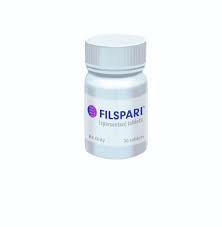
Additionally, research data further shows that spaxentan may help slow the decline of kidney function. The findings were made by looking at changes in the estimated glomerular filtration rate (eGFR, a measure of how well the kidneys are working). Decline in renal function is manifested by a decrease in eGFR. During two years of treatment, patients receiving sparsentan experienced an average annual decrease in eGFR of 2.9 ml/min/1.73m2, while patients in the irbesartan treatment group experienced a faster average annual decrease in eGFR of 3.9 ml/min/1.73m2.
In addition, Sparsentine also performed well in terms of safety. Although some side effects may occur during use, such as peripheral edema, hypotension, dizziness, etc., these symptoms can usually be effectively managed through appropriate medication adjustments and lifestyle intervention. Importantly, sparsentan has not been associated with severe edema, heart failure, hepatotoxicity, or related discontinuation cases, which provides strong support for its widespread clinical use.
It is worth mentioning that sparsentan has not only achieved remarkable results in the treatment ofIgAN, but has also shown potential in the treatment of other chronic kidney diseases, such as focal segmental glomerulosclerosis (FSGS). Sparsentane also had impressive results in reducing proteinuria in patients with FSGS in a trial called DUET. These study data further solidify sparsentan's status as an important breakthrough in the treatment of chronic kidney disease.
In general, sparsentan, as a new dual receptor antagonist, has demonstrated significant clinical effects in the treatment of primary immunoglobulinA nephropathy through its unique mechanism of action. It can not only effectively reduce the patient's proteinuria level, but also play a positive role in protecting glomerular podocytes, lowering blood pressure and delaying disease progression. Although you may encounter some side effects during use, these problems can usually be effectively resolved through reasonable medication management and doctor's guidance. Looking forward to the future, with the accumulation of more clinical data and enriched application experience, sparsentan is expected to play a greater role in the field of chronic kidney disease treatment and bring good news to more patients.
xa0
Reference link: https://www.ema.europa.eu/en/medicines/human/EPAR/filspari
[ 免责声明 ] 本页面内容来自公开渠道(如FDA官网、Drugs官网、原研药厂官网等),仅供持有医疗专业资质的人员用于医学药学研究参考,不构成任何治疗建议或药品推荐。所涉药品可能未在中国大陆获批上市,不适用于中国境内销售和使用。如需治疗,请咨询正规医疗机构。本站不提供药品销售或代购服务。


