
.jpeg)
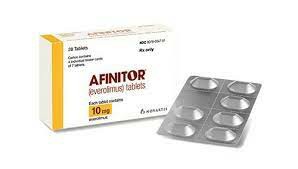
Everolimus Tablets Instructions Afinitor
Indications
1.Renal cell carcinoma: Everolimus is particularly suitable for adult patients with advanced renal cell carcinoma who have been treated with sunitinib or sorafenib but failed to achieve good results. These patients often face limited treatment options, so everolimus can provide them with new treatment hope.
2.Pancreatic Neuroendocrine Tumor: This drug is also used in adult patients with unresectable, locally advanced or metastatic, well-differentiated (including moderately or highly differentiated) pancreatic neuroendocrine tumors. Since this type of tumor is often difficult to diagnose in the early stages, many patients are already at an advanced stage when diagnosed, and the application of everolimus has brought new hope to such patients.
3.Tuberous sclerosis-related tumors: Everolimus is also indicated for patients, both adults and children, with tuberous sclerosis (TSC)-related subependymal giant cell astrocytoma (SEGA) who require intervention but are not candidates for surgical resection. The establishment of this indication aims to provide more effective treatment options for this special patient group.
4.Rejection prevention after organ transplantation: Everolimus is also widely used to prevent rejection in liver and heart transplant patients to increase the survival rate of the transplanted organ and improve the patient's quality of life.
Mechanism of action
The mechanism of action of everolimus is mainly by targeting the mTOR (mammalian target of rapamycin) signaling pathway, inhibiting the abnormal proliferation signals of tumor cells. The core of this mechanism lies in its ability to interfere with the uncontrolled growth of tumor cells and significantly reduce the dependence of tumor cells on blood supply, thereby reducing angiogenesis. By reducing blood supply, everolimus further inhibits tumor growth.
Everolimus can enhance the body's anti-tumor immune response, regulate the activity of immune cells, and promote immune cells' attack on tumor cells. This drug can induce spontaneous apoptosis in tumor cells, which is programmed cell death triggered by the drug, helping to reduce the survival rate of tumor cells.
Medication method
The administration of everolimus is relatively simple. It is usually recommended that patients take 10 mg once a day.. During use, the doctor will adjust the dosage according to the patient's specific conditions. When taking it, it is recommended that patients take it within half an hour after a meal to reduce irritation to the gastrointestinal tract.
side effects
1.Allergic reaction: may manifest as rash, itching, redness and swelling, etc. In severe cases, it may cause difficulty breathing and throat swelling. If these symptoms occur, stop taking the medication immediately and seek medical help.
2.Gastrointestinal discomfort: Patients may experience nausea, vomiting, diarrhea and abdominal pain. These symptoms are usually relieved by taking anti-nausea medications after meals.
3.Oral problems: Such as stomatitis and oral ulcers, these are common side effects of everolimus. Maintaining good oral hygiene, using a mild mouthwash, and avoiding spicy foods can help reduce these symptoms.
4.Risk of infection: Because everolimus may suppress the immune system, patients need to pay close attention to signs of infection. Once symptoms of infection appear, you should seek medical treatment promptly and follow the doctor's treatment plan.
5.Other side effects: Patients may also experience fatigue, weakness, shortness of breath, rapid heartbeat, high blood sugar, kidney and liver problems, etc. The severity of these side effects varies between individuals and needs to be monitored regularly and managed appropriately.
Warnings and precautions
Because everolimus may increase the risk of infection, patients need to have regular check-ups and monitor for signs of infection so they can seek prompt medical attention. Perform regular blood cell counts and biochemical tests, paying particular attention to white blood cell and platelet counts to ensure blood health.
Liver function indicators should be checked regularly to ensure normal functioning of the liver and avoid liver damage. Live vaccines should be avoided while taking everolimus and for some time after stopping the drug to reduce the risk of infection.
drug interactions
StrongConcomitant use of CYP3A4 inhibitors should be avoided because these drugs may inhibit the metabolism of everolimus, leading to an increase in blood concentration.
If ModerateCYP3A4 and / or PgP inhibitors need to be used together, caution should be exercised and the dose of everolimus may need to be reduced to avoid affecting the efficacy.
StrongCYP3A4 inducers should also be avoided because these drugs may accelerate the metabolism of everolimus and cause a decrease in drug concentration. If this cannot be avoided, the dose of everolimus may need to be adjusted.
Medication for special populations
Everolimus is not suitable for pregnant women, lactating women and children because the safety of these special groups has not been fully verified. Before taking medication, patients should inform their doctors of their special circumstances so that a reasonable treatment plan can be formulated.
References:
https://www.drugs.com/afinitor.html
[ 免责声明 ] 本页面内容来自公开渠道(如FDA官网、Drugs官网、原研药厂官网等),仅供持有医疗专业资质的人员用于医学药学研究参考,不构成任何治疗建议或药品推荐。所涉药品可能未在中国大陆获批上市,不适用于中国境内销售和使用。如需治疗,请咨询正规医疗机构。本站不提供药品销售或代购服务。


