
.jpeg)
Dosage and usage of sotoraxib targeted drug
As the first KRAS G12C mutation-targeted drug, Sotorasib is mainly used to treat patients with advanced non-small cell lung cancer (NSCLC) carrying KRAS G12C mutations. It irreversibly binds to the KRAS G12C mutated protein and blocks the KRAS signaling pathway, thereby inhibiting the growth and spread of cancer cells. The specific dosage and usage of sotoraxib should be used under the guidance of a doctor. The following is the routine dosage information and related precautions.
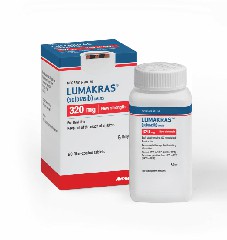
Dosage: Generally, the recommended dose of sotoraxib is 960 mg taken once daily (usually four 240 mg tablets). This dosage regimen has been shown in clinical trials to maximize inhibition of KRAS G12C protein while maintaining a good safety profile. However, due to individual differences among patients, there may be different dosage adjustment needs.
How to take:: Sotorasiib is an oral drug. Patients should take it at the same time every day. It is recommended to swallow the tablet whole with water and avoid chewing or crushing. You can choose to take the medicine before or after a meal, but you need to maintain a stable taking time to ensure the continued effect of the medicine in the body.
Notes
Dose adjustment: During treatment, if serious side effects or drug intolerance occur, the doctor may adjust the dose according to the patient's specific situation. The usual adjustment plan is to first reduce the daily dose to 480mg (two 240mg tablets). If the side effects are not relieved significantly, then further reduce the daily dose to 240mg. If the lowest dose is still not tolerated, treatment may need to be suspended.
Handling of missed doses: If the patient misses a dose and it is more than 6 hours before the next dose, the dose can be taken immediately; if it is less than 6hour, you should skip this dose and continue with the next normal dosage time. Never take a double dose to make up for a missed dose as this increases the risk of side effects.
Monitoring during medication: During the treatment period, patients need to have liver function monitoring regularly, because sotoraceib may cause abnormal liver function. Doctors usually monitor patients' liver function closely in the first few weeks after starting treatment to ensure the safety of the drug.
Avoid drug interactions: Sotoraxib interacts with some drugs (such as proton pump inhibitors and certain antibiotics), which may affect their efficacy or increase side effects. Therefore, patients should inform their doctor about all medications they are currently taking to avoid adverse drug interactions. In addition, sotorasiib is metabolized by the CYP3A4 enzyme in the body, so the use of strong CYP3A4 inhibitors or inducers should be avoided to avoid affecting the efficacy of the drug.
Medication for special groups: For patients with abnormal liver function, especially those with severe liver damage, the use of sotoraxib requires special attention. The dose usually needs to be adjusted or used under close supervision by a doctor. At the same time, there is insufficient data to support the safety of this drug in children, pregnant women, and lactating women, so use in these groups should be cautious or avoided.
Management of common side effects: Common side effects of sotoraxib include diarrhea, nausea, fatigue and abnormal liver function. In order to manage these side effects, patients should make appropriate adjustments to their diet and lifestyle habits under the advice of their doctors, and monitor relevant indicators regularly. For some milder side effects, such as diarrhea or nausea, symptomatic medications recommended by your doctor can be used to relieve symptoms. If the side effects are severe or continue to worsen, you should contact your doctor promptly. The dose may need to be adjusted or the medication may need to be suspended.
The usual dosage of sotoracib is once a day960mg. The tablet should be swallowed whole with water. A stable medication time must be maintained. During use, special attention needs to be paid to dose adjustment, handling of missed doses, liver function monitoring and avoidance of drug interactions to ensure the safety and effectiveness of treatment. For cases of drug resistance or intolerance, appropriate protocol adjustments need to be made under the guidance of a doctor to better manage the treatment process.
[ 免责声明 ] 本页面内容来自公开渠道(如FDA官网、Drugs官网、原研药厂官网等),仅供持有医疗专业资质的人员用于医学药学研究参考,不构成任何治疗建议或药品推荐。所涉药品可能未在中国大陆获批上市,不适用于中国境内销售和使用。如需治疗,请咨询正规医疗机构。本站不提供药品销售或代购服务。


