
.jpeg)
Can everolimus treat breast cancer brain metastases?
Breast cancer brain metastasis is a major challenge in the treatment of breast cancer patients. To address this problem, the LCCC 1025 clinical trial came into being. This is a phase II clinical study designed to evaluate the therapeutic efficacy and safety of everolimus combined with trastuzumab and vinorelbine in patients with brain metastases from HER2-positive breast cancer. The trial brings together a number of top cancer research institutions, including the University of North Carolina Lineberger Comprehensive Cancer Center and the University of Texas MD Anderson Cancer Center Orlando, to explore the potential of this innovative treatment option.
This trial included 32 patients with progressive HER2-positive breast cancer brain metastases who received a combination of everolimus, trastuzumab, and vinorelbine. The research team comprehensively evaluated the effectiveness and safety of the treatment plan through a number of key indicators, such as central nervous system clinical benefit rate, extracranial response rate, disease progression time, and overall survival.
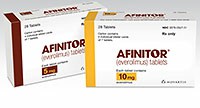
Although in terms of intracranial response rate, this regimen only achieved a low rate of 4% (partial response 1 case), it is worth noting that the clinical benefit rate in the central nervous system was close to one-third. This data shows that the combined treatment program has shown positive effects in relieving patients' central nervous system symptoms and improving quality of life. At the same time, the median intracranial progression time was 3.9 months, and the median overall survival reached 12.2 months, which is comparable to historical control data, further verifying its therapeutic potential.
Along with the therapeutic effects, there are also a series of toxic reactions that require close attention. Among them, 3~4 toxic reactions include neutropenia (41%), anemia (16%) and stomatitis (16%). The occurrence of these side effects requires clinicians to closely monitor and carefully manage patients during the treatment process to ensure the safety of the treatment and the patient's health.
References:
https://ascopubs.org/doi/10.1200/jco.2012.30.15_suppl.tps656
[ 免责声明 ] 本页面内容来自公开渠道(如FDA官网、Drugs官网、原研药厂官网等),仅供持有医疗专业资质的人员用于医学药学研究参考,不构成任何治疗建议或药品推荐。所涉药品可能未在中国大陆获批上市,不适用于中国境内销售和使用。如需治疗,请咨询正规医疗机构。本站不提供药品销售或代购服务。


