
.jpeg)
Late stage symptoms of liver cancer
Liver cancer, a malignant tumor of the liver, is a disease that seriously threatens human health. As the liver is an important metabolic organ of the human body, once cancer occurs, it will not only affect its function, but may also rapidly spread throughout the body, causing the condition to rapidly worsen. The symptoms of liver cancer are often not obvious and difficult to detect in the early stage. However, when the disease develops to the advanced stage, a series of serious symptoms will gradually appear, seriously affecting the patient's quality of life and even threatening life.
The symptoms of late-stage liver cancer are diverse and complex, mainly including the following aspects. First of all, severe pain is one of the most common symptoms of patients with advanced liver cancer. As the tumor grows, it will invade the liver capsule and surrounding tissues, causing persistent dull pain, dull pain, or tingling pain. This pain is often unbearable and seriously affects the patient's daily life and sleep. Secondly, ascites is also a common symptom in the late stage of liver cancer. Due to impaired liver function, portal hypertension causes blood reflux to be blocked, and fluid leaks into the abdominal cavity, forming a large amount of ascites, causing the abdomen to swell and distend, and in severe cases, even affect respiratory function. In addition, patients with advanced liver cancer may also develop symptoms of jaundice, which is characterized by yellowing of the skin, eyeballs and mucous membranes. This is due to severe damage to liver function and disorders of bilirubin metabolism.
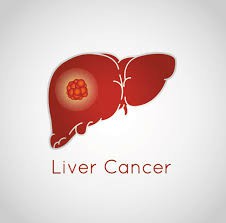
In addition to the above symptoms, patients with advanced liver cancer may also experience gastrointestinal discomfort symptoms such as loss of appetite, nausea, vomiting, and abdominal distension. This is due to liver insufficiency and portal hypertension leading to esophageal and gastric varices, which in turn triggers gastrointestinal bleeding. At the same time, because tumors consume a large amount of nutrients, patients often suffer from cachexia symptoms such as weight loss, weight loss, and fatigue. In addition, late-stage liver cancer may be complicated by hepatic encephalopathy, manifesting as symptoms such as confusion and abnormal behavior; hepatorenal syndrome may lead to serious consequences such as renal failure and respiratory failure.
It is worth noting that patients with advanced liver cancer may also have symptoms of tumor metastasis. If the tumor metastasizes to the lungs, it can cause coughing, hemoptysis, dyspnea, etc.; if the tumor metastasizes to the pleura, chest pain and pleural effusion may occur; if the tumor blocks the hepatic vein or inferior vena cava, it may also cause symptoms such as edema of the lower limbs. The emergence of these symptoms not only increases the difficulty of treatment, but also further aggravates the patient's pain.
In short, the symptoms of late-stage liver cancer are diverse and complex, which have a serious impact on patients' physical and mental health. Understanding these symptoms can help patients seek medical treatment promptly and receive effective treatment to relieve symptoms, control the condition, and prolong survival. At the same time, sufficient attention should be paid to the prevention and treatment of liver cancer, and the incidence and mortality of liver cancer should be reduced through regular physical examinations and early intervention.
(Click to view an introduction to drugs for treating liver cancer.)
xa0
References:
https://www.cancer.gov/types/liver/what-is-liver-cancer
[ 免责声明 ] 本页面内容来自公开渠道(如FDA官网、Drugs官网、原研药厂官网等),仅供持有医疗专业资质的人员用于医学药学研究参考,不构成任何治疗建议或药品推荐。所涉药品可能未在中国大陆获批上市,不适用于中国境内销售和使用。如需治疗,请咨询正规医疗机构。本站不提供药品销售或代购服务。


