
.jpeg)
Can liver cancer be cured?
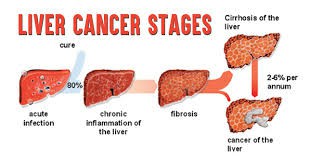
Liver cancer is a common and fatal malignancy worldwide, and its treatment and prognosis are affected by many factors, including the patient's overall health, the stage and type of tumor, and the choice of treatment. Although the cure rate of liver cancer is relatively low, in some cases it is still possible for patients to achieve long-term survival or complete cure with aggressive treatment. This article explains the likelihood of liver cancer being cured and the factors associated with it.
1. Treatment options for liver cancer
Treatment methods for liver cancer mainly include surgical resection, liver transplantation, local ablation, chemotherapy and targeted therapy. Specific treatment options often depend on the size, location, and number of tumors as well as the patient's liver function.
1. Surgical resection: For patients with early-stage liver cancer, if the tumor is limited to the liver and the patient’s liver function is good, surgical resection can effectively remove the tumor. This approach often significantly improves patient survival rates. Studies show that patients who undergo surgical removal live longer than those who do not.
2. Liver transplantation: For some eligible patients, liver transplantation is also an effective method to cure liver cancer. By transplanting a healthy liver, both liver cancer and cirrhosis can be solved. However, patients who are suitable for liver transplantation must meet certain conditions, including the size and number of tumors and overall health, to ensure the success of the surgery.
2. Possibility and Limitations of Cure
Although treatments for liver cancer continue to advance, not all patients can be cured. Here are some limiting factors:
1. Timing of diagnosis: Early detection of liver cancer is crucial to the effectiveness of treatment. If liver cancer is detected at an early stage and intervened, the chance of cure is greatly increased. But in many cases, liver cancer is already at an advanced stage when diagnosed, at which point treatment becomes more difficult and complex.
2. Patient health: Not all patients who need a liver transplant are healthy enough to undergo the procedure. Some patients may have severe cardiopulmonary disease or other complications, which increases the risk of surgery and affects the possibility of cure.
3. Liver function: The liver function of patients with liver cancer will also directly affect the treatment effect. In patients with abnormal liver function or cirrhosis, the risks of surgical treatment are higher, so the hope of cure in these patients is relatively small.
3. Quality of life and long-term management
Even if liver cancer cannot be completely cured, doctors work hard to help patients achieve the best quality of life. Treatment focuses on relieving symptoms, controlling disease progression, and improving the patient's daily life. In this case, many patients are able to live a relatively long and high-quality life with appropriate treatment.
In short, the possibility of curing liver cancer varies between individuals. Early detection, appropriate treatment options and the patient's overall health are key factors. Although not all patients with liver cancer can achieve complete cure, through the continuous advancement of modern medicine, more and more patients can obtain better survival prognosis and quality of life. Therefore, regular physical examination, early screening and active treatment are important strategies to deal with liver cancer.
(Click to view an introduction to drugs for treating liver cancer.)
xa0
References:
https://my.clevelandclinic.org/health/diseases/9418-liver-cancer
[ 免责声明 ] 本页面内容来自公开渠道(如FDA官网、Drugs官网、原研药厂官网等),仅供持有医疗专业资质的人员用于医学药学研究参考,不构成任何治疗建议或药品推荐。所涉药品可能未在中国大陆获批上市,不适用于中国境内销售和使用。如需治疗,请咨询正规医疗机构。本站不提供药品销售或代购服务。


