
.jpeg)
Does dermatofibroma need treatment?
Dermatofibroma is a common benign skin tumor usually composed of excessive proliferation of fibrous tissue. In most cases, dermatofibromas do not pose a serious threat to health and do not become cancerous, so many patients do not require treatment. However, in some cases, dermatofibromas may require treatment, depending on their size, location, and whether they cause discomfort.
1. Aesthetic effects: Dermatofibromas usually appear as small nodules or masses with a smooth surface and similar color to the surrounding skin. When they appear on the face or other prominent areas, they can affect appearance and cause patients to feel less confident. In this case, the patient may choose to remove the dermatofibroma to improve cosmetic appearance.
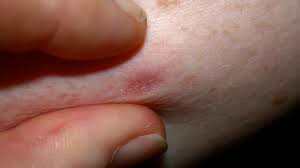
2. Cause discomfort: Although dermatofibromas are usually not painful, they may cause discomfort from friction or pressure. For example, dermatofibromas often appear in skin folds, such as the neck, armpits, waist, or chest. These areas are easily rubbed by clothing, causing local skin inflammation or irritation. If the tumor grows larger, it may also cause pain or discomfort to the patient and affect daily activities. In this case, treatment is necessary.
3. Rapid growth or mutation: Although dermatofibroma does not cause serious problems in most cases, if the mass appears to increase or change significantly or is accompanied by other abnormal symptoms (such as bleeding, infection, etc.), treatment is required. Although rare, certain types of fibroids may become malignant, so regular monitoring of dermatofibromas for changes is necessary.
4. Treatment methods: Common methods to treat dermatofibroma include surgical excision, cryotherapy (liquid nitrogen freezing), laser treatment and electrocautery. Surgical excision is usually the most common and most effective treatment and can completely remove the lump. For smaller or superficial dermatofibromas, cryotherapy or laser treatment are also effective options.
For most dermatofibromas, treatment is usually not required if they do not cause discomfort or cosmetic problems. However, if the tumor grows, causes discomfort, or shows signs of mutation, patients should consider treatment. The treatment method should be selected according to the specific situation of the patient.
(Click to view an introduction to drugs for the treatment of dermatofibroma.)
xa0
Reference materials
1.Treatment and Management of Dermatofibroma. American Academy of Dermatology. Retrieved from https://www.aad.org
2.Fibromas and Their Treatment Options. Mayo Clinic. Retrieved from https://www.mayoclinic.org
[ 免责声明 ] 本页面内容来自公开渠道(如FDA官网、Drugs官网、原研药厂官网等),仅供持有医疗专业资质的人员用于医学药学研究参考,不构成任何治疗建议或药品推荐。所涉药品可能未在中国大陆获批上市,不适用于中国境内销售和使用。如需治疗,请咨询正规医疗机构。本站不提供药品销售或代购服务。


