
.jpeg)
What causes dermatofibroma?
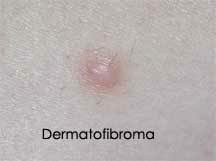
Dermatofibroma (Fibroma) is a common benign skin tumor that usually appears as small nodules with a smooth surface and light or slightly different colors. It is primarily composed of an overgrowth of fibrous tissue, and while this tumor is usually harmless, it can be unsightly or cause discomfort due to friction. The exact cause of dermatofibroma is not fully understood, but several factors are thought to be involved in its development.
1. Genetic factors: Genetic factors are an important reason for the formation of dermatofibroma. In some cases, dermatofibromas are associated with genetic disorders such as neurofibromatosis, an inherited disease caused by mutations in a specific gene. People with this disease may develop multiple dermatofibromas. People with a similar history in their families are at higher risk of developing dermatofibroma.
2. Local irritation or friction: Long-term local irritation or friction is also a possible cause of dermatofibroma. For example, frequent skin friction, overuse of certain skin care products, wearing tight clothing, or repeated physical stimulation of the skin may promote the proliferation of fibrous tissue, leading to the formation of fibroids. Many patients find that dermatofibromas usually appear in skin folds, such as the neck, underarms, or waist, which are areas prone to friction.
3. Hormonal changes: Some studies have shown that hormonal changes may play a role in the formation of dermatofibroma. For example, hormone fluctuations during pregnancy, changes in hormone levels during puberty, or menopause may accelerate the growth of fibrous tissue. In addition, medications such as oral contraceptive pills are also thought to affect the formation of fibroids.
4. Age factor: Dermatofibroma is usually more common in middle-aged people, especially adults over 45 years old. As we age, the skin's elasticity and repair ability gradually weaken, and the phenomenon of fibrous tissue hyperplasia may become more obvious.
5. Other diseases: In addition to genetic factors, certain skin diseases and chronic diseases may also promote the formation of fibroids. For example, long-term inflammation or damage to the skin, or some endocrine diseases (such as diabetes) may increase the risk of dermatofibroma.
The formation of dermatofibroma is affected by many factors, including genetic factors, local stimulation, hormone fluctuations and age, etc. may be related to its occurrence. Most dermatofibromas are benign and usually do not require treatment, but if they become enlarged, painful, or unsightly, it is recommended to consult a dermatologist.
(Click to view an introduction to drugs for the treatment of dermatofibroma.)
xa0
Reference materials
1.Causes and Prevention of Dermatofibroma. American Academy of Dermatology. Retrieved from https://www.aad.org
2.Fibromas: Causes and Treatment Options. National Institute of Health. Retrieved from https://www.nih.gov
[ 免责声明 ] 本页面内容来自公开渠道(如FDA官网、Drugs官网、原研药厂官网等),仅供持有医疗专业资质的人员用于医学药学研究参考,不构成任何治疗建议或药品推荐。所涉药品可能未在中国大陆获批上市,不适用于中国境内销售和使用。如需治疗,请咨询正规医疗机构。本站不提供药品销售或代购服务。


