
.jpeg)
What does dermatofibroma look like in its early stages?
Dermatofibroma is a common benign skin tumor usually composed of hyperplasia of fibrous tissue. They usually grow slowly and usually cause no noticeable discomfort or symptoms in their early stages. Understanding the early characteristics of dermatofibroma can help patients identify it early and handle it accordingly.
1. Appearance characteristics: Dermatofibroma usually appears as small and hard nodules in the early stage, and the color is similar to or slightly lighter than the surrounding skin. They are usually a few millimeters to around a centimeter in diameter. The shape is usually round or oval, with a smooth surface and clear borders. Over time, fibroids may gradually increase in size and may become harder in appearance, but in their early stages, they usually have a softer appearance.
2. Painless: Early-stage dermatofibroma usually does not cause pain or discomfort. They generally do not cause any adverse symptoms, and patients usually experience no abnormalities in their daily lives. Early symptoms of dermatofibroma may only be visual changes, so they are often difficult to notice.
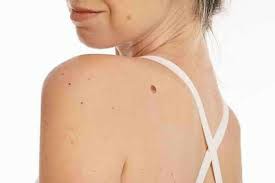
3. Slow growth: Dermatofibromas generally grow slowly and may take months or even years to enlarge to a certain extent. In the early stages, they usually do not cause obvious changes in the surface of the skin, and some patients may not even realize they have dermatofibromas until the lumps enlarge slightly.
4. Common locations: Dermatofibromas usually appear on the skin surface of the body, especially in skin folds, such as the neck, armpits, abdomen, chest and thighs. In their early stages, they tend to be small and inconspicuous, making them difficult to detect. Fibroids may gradually increase in size over time.
5. Not easily transformed into malignant: Most dermatofibromas are benign tumors and will not turn into cancer. Early dermatofibromas rarely show signs of malignant transformation. However, if there are unusual changes such as rapid enlargement, color change, bleeding or ulceration, the patient should seek medical attention as soon as possible for further examination.
Dermatofibroma usually manifests itself in its early stages as small, painless, slow-growing nodules that usually cause no obvious discomfort or symptoms. If a lump appears on the skin that is suspected of being fibroid, it is recommended to monitor its changes regularly and seek medical advice if necessary.
(Click to view the introduction of drugs for the treatment of dermatofibroma.)
xa0
Reference materials
1.Early symptoms and management of dermatofibroma. American Academy of Dermatology. Retrieved from https://www.aad.org
2.Fibromas: Symptoms and Early Detection. Mayo Clinic. Retrieved from https://www.mayoclinic.org
[ 免责声明 ] 本页面内容来自公开渠道(如FDA官网、Drugs官网、原研药厂官网等),仅供持有医疗专业资质的人员用于医学药学研究参考,不构成任何治疗建议或药品推荐。所涉药品可能未在中国大陆获批上市,不适用于中国境内销售和使用。如需治疗,请咨询正规医疗机构。本站不提供药品销售或代购服务。


