
.jpeg)
What are the side effects of lorlatinib?
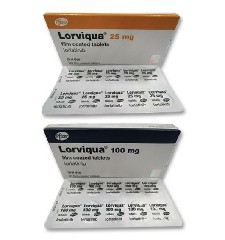
Lorlatinib is a third-generation ALK/ROS1 tyrosine kinase inhibitor widely used in the treatment of ALK-positive non-small cell lung cancer (NSCLC). Although this drug is highly effective in treating central nervous system metastasis and drug-resistant mutations, it may also cause a variety of side effects. The following is a detailed analysis of common, rare, and rare adverse reactions.
1. Common side effects
1.Central nervous system (CNS) related reactions
Cognitive impairment: Symptoms include memory loss, inattention, and impaired judgment.
Mood changes: Patients may experience anxiety, depression, mood swings, etc.
Sleep disorders: Some patients report insomnia or decreased sleep quality.
Headache: may be related to efficient penetration of the central nervous system.
2.Metabolic disorders
Hyperlipidemia: A significant increase in cholesterol and triglyceride levels is one of the most common side effects of lorlatinib, and some patients need to take combined lipid-lowering drugs.
Hyperglycemia: It has a certain impact on blood sugar metabolism, and blood sugar changes need to be closely monitored.
3.Gastrointestinal reactions
Nausea and vomiting: relatively common and can usually be relieved by dietary modification or the use of antiemetics.
Diarrhea or constipation: Patients have different reactions and should pay attention to hydration.
4.Weight gain
Larlatinib may cause significant weight gain in patients, often associated with metabolic abnormalities.
5.Visual changes
Blurred vision, double images, changes in visual field, etc., although they do not often lead to drug withdrawal, can affect the patient's quality of life.
2. Rare side effects
1.Abnormal liver function
Elevated levels of ALT,AST and bilirubin may sometimes lead to drug-induced liver injury, and liver function indicators need to be monitored regularly.
2.Cardiovascular response
Prolonged QT interval: may cause arrhythmias, so patients are advised to undergo regular electrocardiogram examinations.
Increased blood pressure: Some patients may experience mild to moderate symptoms of high blood pressure.
3.Peripheral neuropathy
The main symptoms are numbness, tingling or weakness in the limbs, which are mostly related to the neurotoxic effects of lorlatinib.
3. Rare side effects
1.Interstitial pneumonia
A very small number of patients may develop symptoms, including shortness of breath, cough and fever, which may be life-threatening if not promptly intervened.
2.Mental disorders
Including hallucinations, delusions, etc., some patients need to discontinue medication or adjust dosage.
3.Digestive system damage
Very few patients may develop severe gastrointestinal bleeding or ulcers.
4.Abnormal thyroid function
It can manifest as hyperthyroidism or hypothyroidism, and thyroid function needs to be monitored regularly.
4. Management strategies for side effects
1.Monitoring and Prevention
Nervous system symptoms: Mild symptoms usually do not require discontinuation of medication, but regular follow-up is required to observe changes in symptoms.
Metabolic abnormalities: Monitor blood lipids and blood sugar levels, and adjust diet or use medication to control if necessary.
2.Dose adjustment
For moderate to severe side effects, you can consider reducing the dose or temporarily discontinuing the drug, and gradually resume treatment according to the patient's condition.
3.Indications for discontinuation
Lorlatinib should be discontinued if severe liver injury, interstitial pneumonitis, or uncontrollable psychiatric symptoms occur.
4.Psychological Support
For emotional or cognitive disorders, it is recommended to combine psychological counseling or antidepressant drug treatment.
Larlatinib, as an innovative targeted drug, provides an effective treatment option for ALKpositiveNSCLC patients. However, its side effects cover a wide range and involve multiple systems such as nervous system, metabolism, and cardiovascular system. Patients should maintain close communication with their doctors during medication, and conduct regular physical examinations and biochemical index monitoring in order to detect and deal with adverse reactions in a timely manner. Personalized management and early intervention can significantly reduce the impact of side effects on treatment effects and improve patients' quality of life.
xa0
Reference materials:
PubMed - Lorlatinib Safety Profile: https://pubmed.ncbi.nlm.nih.gov/30371727
Pfizer official website:https://www.pfizer.com
"Chinese Society of Clinical Oncology (CSCO) Guidelines":http://www.csco.org.cn
Reference materials
PubMed - Lorlatinib Safety and Efficacy: https://pubmed.ncbi.nlm.nih.gov/30371727
Pfizer official website:https://www.pfizer.com
Chinese Society of Clinical Oncology (CSCO) Guidelines:http://www.csco.org.cn
[ 免责声明 ] 本页面内容来自公开渠道(如FDA官网、Drugs官网、原研药厂官网等),仅供持有医疗专业资质的人员用于医学药学研究参考,不构成任何治疗建议或药品推荐。所涉药品可能未在中国大陆获批上市,不适用于中国境内销售和使用。如需治疗,请咨询正规医疗机构。本站不提供药品销售或代购服务。


