
.jpeg)
How is leukemia classified?
Leukemia is a cancer that affects the body's blood-forming system, primarily the bone marrow and lymphatic system. This disease causes abnormal proliferation of blood cells, especially white blood cells, which affects immune function and other important physiological functions. Doctors often divide leukemia into various types based on different characteristics in order to develop appropriate treatment plans. Leukemias are classified based on how quickly they develop and the types of cells affected.
First of all, leukemia can be divided into acute and chronic categories according to the speed of progression of the disease.
Acute leukemia is a disease caused by immature or primitive blood cells. In this condition, abnormal cells are unable to perform normal physiological functions and proliferate at an extremely rapid rate, causing the condition to rapidly worsen. Because acute leukemia progresses very rapidly, patients usually develop obvious symptoms within a short period of time, such as fatigue, frequent infections, and bleeding. Therefore, acute leukemia requires active and timely treatment to control the disease and improve survival rate.
In contrast, chronic leukemia develops more slowly. Chronic leukemia mostly involves mature blood cells, so their proliferation rate is slow, and some patients may have no obvious symptoms in the early stages.
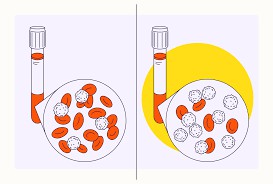
Chronic leukemia can be further subdivided into various types. Some types of chronic leukemia produce too many cells in the body, while others produce too few cells. The condition sometimes goes unnoticed for years, leading to patients being diagnosed at a later stage. Therefore, regular monitoring and evaluation of chronic leukemia is particularly important.
Secondly, leukemia can also be classified according to the type of white blood cells affected, mainly divided into lymphocytic leukemia and myelogenous leukemia.
Lymphocytic leukemia affects lymphocytes, a type of white blood cell that plays a major role in the immune system. Lymphocytes participate in the body's fight against infection and constitute the lymphatic system and immune system. Lymphocytic leukemia is further divided into acute lymphoblastic leukemia (ALL) and chronic lymphocytic leukemia (CLL). The former is more common in children, and the latter usually occurs in adults.
Myeloid leukemia is caused by abnormal proliferation of bone marrow cells. These cells are responsible for producing blood components such as red blood cells, white blood cells, and platelets. Myeloid leukemia is also divided into acute myeloid leukemia (AML) and chronic myelogenous leukemia (CML). The symptoms of acute myeloid leukemia develop rapidly and usually require immediate treatment, while the course of chronic myeloid leukemia is longer, and many patients may not have obvious symptoms in the early stages.
In summary, the classification of leukemia helps doctors understand the characteristics and progression of different types of diseases and thus develop personalized treatment plans. Understanding these classifications can not only help medical staff make better diagnosis and treatment, but also help patients and their families understand the nature of the disease more clearly, actively cooperate with treatment, and improve their quality of life. With the advancement of medical technology, the research and treatment of leukemia continue to deepen, and I believe that the future will bring more hope to patients.
(Click to view an introduction to drugs for the treatment of leukemia)
References:
https://www.mayoclinic.org/diseases-conditions/leukemia/symptoms-causes/syc-20374373
[ 免责声明 ] 本页面内容来自公开渠道(如FDA官网、Drugs官网、原研药厂官网等),仅供持有医疗专业资质的人员用于医学药学研究参考,不构成任何治疗建议或药品推荐。所涉药品可能未在中国大陆获批上市,不适用于中国境内销售和使用。如需治疗,请咨询正规医疗机构。本站不提供药品销售或代购服务。


