
.jpeg)
Can leukemia be cured?
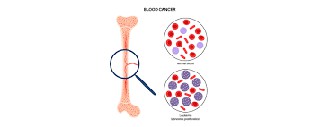
Leukemia is a cancer that affects blood cells and bone marrow and is divided into two main categories: acute and chronic. Acute leukemia usually progresses rapidly, while chronic leukemia progresses more slowly. The disease causes the production of normal blood cells to be inhibited, affecting the immune system, hematopoiesis and overall health. Patients often show symptoms such as fatigue, susceptibility to infection, and bleeding. Although modern medicine has made certain progress in the diagnosis and treatment of leukemia, there is still no complete cure for leukemia.
Nonetheless, patients with leukemia can sometimes achieve remission with aggressive treatment. This status means that the test failed to detect cancer cells, but does not guarantee that the disease will not come back. The risk of relapse is related to a variety of factors, including the type of leukemia, the age of the patient, and the stage of the disease. Different leukemia subtypes have significant differences in treatment response and prognosis, so individualized treatment is particularly important.
Traditional treatments such as chemotherapy and radiotherapy are often used to destroy cancer cells in the body and restore normal blood function. During chemotherapy, patients may experience a range of side effects, such as nausea, fatigue, and reduced immunity, and therefore need to be under the supervision of a doctor. In addition, stem cell transplantation is often combined with chemotherapy, especially in pediatric patients, and has achieved some success. This treatment rebuilds the damaged blood system by infusing healthy stem cells, providing the body with a new source of blood cells.
In recent years, the medical community has gradually deepened its research on immunotherapy and targeted therapy. These emerging therapies aim to improve treatment effectiveness by activating the body's own immune system or targeting specific cancer cell characteristics with precision. Especially in certain types of leukemia, immune cell therapy has shown promising results, allowing some patients to achieve long-term remission after treatment. However, these new treatments are still in the exploratory stage, and the results and safety of clinical application still need to be rigorously scientifically verified.
In short, although there is currently no universal cure for leukemia, the prognosis of leukemia patients is gradually improving through continuous research and advancements in medical technology. In the future, as science further develops, the possibility of curing leukemia will become closer to reality. Patients should work closely with their attending doctors to formulate a treatment plan suitable for their own situation, while maintaining an optimistic attitude towards the disease.
(Click to view an introduction to drugs for the treatment of leukemia)
References:
https://www.healthline.com/health/leukemia/is-leukemia-curable#risks
[ 免责声明 ] 本页面内容来自公开渠道(如FDA官网、Drugs官网、原研药厂官网等),仅供持有医疗专业资质的人员用于医学药学研究参考,不构成任何治疗建议或药品推荐。所涉药品可能未在中国大陆获批上市,不适用于中国境内销售和使用。如需治疗,请咨询正规医疗机构。本站不提供药品销售或代购服务。


