
.jpeg)
The difference between solid tumors and non-solid tumors
1. Concepts and Classifications
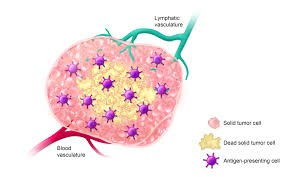
Solid Tumors (Solid Tumors) refer to tumors originating from organs or tissues, including cancer (epithelial tissue tumors) and sarcomas (connective tissue tumors). These tumors usually form local masses and are limited to specific anatomical parts, such as the lungs, liver, breast, kidneys, stomach, etc.
Non-Solid Tumors (Non-Solid Tumors) are mainly malignant tumors related to the blood system, such as leukemia, lymphoma and multiple myeloma. They do not manifest as local masses but spread throughout the body through the blood or lymphatic system.
2. Formation mechanism
The formation of solid tumors is usually due to abnormal and uncontrolled proliferation of local cells, accompanied by mutations in signaling pathways and the influence of environmental factors. For example, exposure to carcinogens, radiation, or viral infection may cause genetic mutations that cause cells to proliferate beyond normal regulation.
The formation of non-solid tumors originates from the malignant transformation of blood or lymphocytes. Genetic variations in hematopoietic stem cells, lymphocytes, or plasma cells can disrupt their differentiation and function, causing abnormal cells to spread throughout the body. For example, in acute myeloid leukemia (AML), abnormal myeloid cells spread rapidly and replace normal blood cells.
3. Clinical manifestations
Symptoms of solid tumors are often related to compression or dysfunction of local tissues or organs. For example, people with lung cancer may have a persistent cough, chest pain, or difficulty breathing, while people with stomach cancer may have symptoms of indigestion or bleeding. Advanced solid tumors may metastasize to distant organs via lymph or blood.
The symptoms of non-solid tumors are more systemic. For example, anemia, increased risk of infection, and bleeding tendencies are common in people with leukemia; people with lymphoma may have symptoms such as swollen lymph nodes, fever, and night sweats. These symptoms are usually caused by abnormal cells that interfere with normal blood cells or immune function.
4.Diagnostic methods
The diagnosis of solid tumors mainly relies on imaging examinations (such asCT, MRI and ultrasound), combined with tissue biopsy to determine the nature and stage of the tumor. Imaging techniques can help determine the size, location and presence of metastasis of the tumor.
The diagnosis of non-solid tumors relies on hematological tests, such as blood routine, bone marrow biopsy and immunophenotyping analysis. Molecular diagnostic techniques, such as gene mutation testing and chromosomal analysis, are often used to determine the classification and prognosis of non-solid tumors.
5. Treatment methods
Treatment of solid tumors is based on local therapy, such as surgical resection, radiation therapy, and local ablation. For solid tumors that have metastasized or recurred, systemic treatments (such as chemotherapy, targeted therapy, and immunotherapy) may be necessary.
The treatment of non-solid tumors relies more on systemic treatments, such as chemotherapy, targeted drugs (such asBTKinhibitors for some lymphomas) and immunotherapy (such asCAR-T cell therapy). Transplantation therapy (such as hematopoietic stem cell transplantation) is also a treatment option for some non-solid tumors.
6. Survival prognosis
The prognosis of solid tumors is closely related to tumor stage and treatment response. For example, patients with breast cancer who are detected early and surgically removed may have good survival rates, but have lower survival rates with late-stage, metastatic cancers.
The prognosis of non-solid tumors depends on the subtype, patient age and genetic mutations. For example, some patients with chronic lymphocytic leukemia (CLL) can achieve long-term control with targeted therapies, while patients with acute myeloid leukemia (AML) may face greater treatment challenges.
7. The boundary between solid tumors and non-solid tumors
Although solid tumors and non-solid tumors are classified differently, some tumors have overlapping characteristics. For example, aggressive lymphoma may form a localized mass, although it is still a non-solid tumor in nature. In addition, hematogenous dissemination of solid tumors may also lead to bone marrow metastasis, producing systemic symptoms similar to those of non-solid tumors.
(Click to view an introduction to drugs for the treatment of solid tumors.)
xa0
Reference materials
1.National Cancer Institute - Solid Tumors vs. Hematologic Tumors
https://www.cancer.gov/
2.American Society of Hematology - Blood Cancers Overview
https://www.hematology.org/
3.American Cancer Society - Cancer Basics
https://www.cancer.org/
[ 免责声明 ] 本页面内容来自公开渠道(如FDA官网、Drugs官网、原研药厂官网等),仅供持有医疗专业资质的人员用于医学药学研究参考,不构成任何治疗建议或药品推荐。所涉药品可能未在中国大陆获批上市,不适用于中国境内销售和使用。如需治疗,请咨询正规医疗机构。本站不提供药品销售或代购服务。


