
.jpeg)
Platinib is a targeted drug of several generations. How effective is it in treating lung cancer?
Platinib, as an innovative drug, is a third-generation targeted drug that mainly targetsRET gene mutations. RET gene variation is one of the important driving factors for various cancers such as non-small cell lung cancer (NSCLC) and medullary thyroid cancer (MTC). Platinib effectively inhibits the proliferation of cells carrying RET gene mutations by efficiently and selectively inhibiting the phosphorylation of the RET gene and its downstream molecules, providing new treatment hope for cancer patients.
Platinib has shown remarkable efficacy in the treatment of lung cancer. Especially for patients with RET gene fusion-positive non-small cell lung cancer, platinib can significantly improve their condition, extend their survival, and improve their quality of life. According to years of data from the ARROW study, the overall response rate of platinib in the treatment of newly treated RET fusion-positive non-small cell lung cancer patients is as high as 70%, and in patients who have previously received platinum-based chemotherapy, the overall response rate has also reached 57%. In addition, platinib has also shown excellent efficacy in patients with brain metastases, significantly prolonging the survival of these patients.
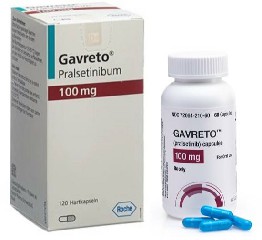
The advantage of platinib lies not only in its significant efficacy but also in its good tolerability and safety. Compared with the previous two generations of RET inhibitors, platinib has higher selectivity and specificity, reducing unnecessary drug side effects. In clinical trials, the safety and tolerability of platinib have been well verified, allowing patients to better tolerate the treatment.
However, it is worth noting that as a new drug, platinib is relatively expensive and has not yet been included in the national medical insurance catalog. Patients need to purchase it at their own expense. For some patients with greater financial pressure, they may consider using the Laos Lucius version of generic drugs, but be sure to choose a guaranteed formal route.
In general, platinib, as a third-generation targeted drug, has demonstrated significant efficacy and safety in the treatment of lung cancer caused by RET gene mutations. Although the current price is high, it provides patients with new treatment options and brings hope of extending survival and improving quality of life. Platinib is certainly a treatment option worth considering for eligible lung cancer patients.
[ 免责声明 ] 本页面内容来自公开渠道(如FDA官网、Drugs官网、原研药厂官网等),仅供持有医疗专业资质的人员用于医学药学研究参考,不构成任何治疗建议或药品推荐。所涉药品可能未在中国大陆获批上市,不适用于中国境内销售和使用。如需治疗,请咨询正规医疗机构。本站不提供药品销售或代购服务。


